
News Update
Stakeholders Convene in Nasarawa for Capacity Building on Cassava Bio-Ethanol Value Chain Development. Bagudu reaffirms commitment to $1 trillion economy target as Uzoka-Anite resumes FG targets 14m Farmers in Cassava Bioethanol value chain FG, IFC Sign Cooperation Agreement on Bankable Infrastructure, Private Investment Bagudu underscores significance of reliable population data for national development. Dr. Deborah Bako Odoh Pledges to bring Professionalism and Transparency to the Ministry as She Assumes Duty as Permanent Secretary FMBEP FG says 2026 budget will focus on ward based development Budget Lockdown: FG halts new capital projects No new projects as FG rolls over 70% of 2025 capital budget to 2026 2026 Budget: Federal Govt Outlines Key Priorities As Global Aid Declines Federal Ministry of Budget and Economic Planning goes paperless as FG pushes full digitalisation of Civil Service FG, World Bank Implement $500 Million HOPE-Governance Program to Strengthen Basic Education and Primary Healthcare Odoh: Review of Food and Nutrition Policy Key to Nigeria’s Food Security FG Moves to Update National Food, Nutrition Policy Framework FG Targets 14M Small Holder Farmers to be Key Players in the Cassava Industrial Value Chain World Bank-Assisted HOPE-GOV Program, Basic Health Care Provision Fund Collaborate on Primary Healthcare Reforms States to Publish Quarterly Basic Education, Primary Health Contract Awards under FG, World Bank Collaboration Tinubu’s Economic Reforms on Track, Strengthening Political Cohesion, Says Bagudu FG, World Bank Partner NGF to Drive Reforms in Basic Education, Primary Healthcare HOPE-GOV Program Seeks ALGON’s Support on Budgeting Reforms in Local Governments FG, Doctors Without Borders deepen partnership -- Focus on sustaining humanitarian efforts FG Ramps Up Efforts to Sign Subsidiary Agreement With States To Participate in $500m HOPE Governance Program FG Calls on UN to Assist with Long-term Fund for Internal Displacement FG Inaugurates Technical Sub-Committee on Livestock Development · Reiterates commitment to reposition the sector Nigeria, IMF Intensify Discussions on Economic Reforms and Growth Plans for 2026–2030 Nigeria Strengthens Food and Nutrition Framework as Stakeholders Validate Revised National Policy Nigerian Economy On The Right Path Of Recovery – Sanusi Lamido FG Urges Development Partners to Align Interventions with Nigeria’s Cultural Values NG-CARES Attracts Over $2.2bn in State Investments UN Population Fund to deepen collaboration with FG on population mgt, reproductive health Bagudu seeks deeper German skills-tech ties to drive $1trn economy ambition $1 Trillion Economy by 2030 Achievable – Minister Bagudu Seeks German Partnership to Achieve $1 Trillion Nigerian Economy by 2030 Federal Government Sets 5-year Target For Poverty Eradication FG: 98% workers exempted from tax, rakes in N3.36trn Nigeria and China deepen collaboration in Economic Development FG URGES JICA TO WOO JAPANESE INVESTORS TO NIGERIA Bagudu seeks result-focused collaboration with Germany for $1 trillion economy UN Population Fund Pledges Stronger Ties with Nigeria UN Population Fund to Promises Enhanced Collaboration with FG

Did You Know?

The Ministry of Budget and Economic Planning was originally established as National Planning Commission. The Ministry has the mandate to determine and advise the Government of the Federation on matters relating to National Development and overall management of the national economy.

32
Years Since Establishment By Decree No 12 Of 1992 and later amended by Act 71 Of 1993
The detailed objectives, functions, powers, and structure Of the Commission are outlined under sections 2, 3 and 5 Of the Establishment Act

Know More

Food System

Publications on Food System

The United Nations Secretary General, Antonio Guterres called on World leaders to convene National Food Systems dialogues to articulate how to make the food systems to be more resilient, sustainable and inclusive. The Permanent Secretary, Budget and National Planning was appointed the National Convenor for the Nigeria’s Food Systems Dialogue in November, 2020. Activities kicked started with the setting up the Food Systems Core Group. This group was made up of experts and senior technical officers from Ministries, Department and Agencies, the UN Donor Group, development partners, civil societies and the private sectors.

The series of dialogues held in Nigeria commenced with the Inception Dialogue which was held on the 23rd of February, 2021 in Abuja. This was followed with about forty (40) Exploratory Dialogues which were organized across the six geopolitical zones, in some selected States and targeted communities. The dialogues which was organized with the spirit of leaving no one behind saw the active participation of relevant groups such as women, youth, indigenous people, Non-Government Organization as well as the private sector. The purpose of having the series of dialogues was to gather ideas, and come up with recommendations/ solutions to addressing the enormous challenges in our food system along the food value chain.

  • The Seventy eight (78) recommendations drawn from the various dialogues were further synthesized into short, medium and long term priority actions for a sustainable food systems in Nigeria and was presented to the United Nation by the Head of State, His Excellency, President Muhammadu Buhari in September, 2021. Activities for implementation within the short term are considered as low hanging fruits for which implementation has commenced since January of this year, 2022.
  • These short term priorities have been printed and disseminated with clear roles and responsibilities for all stakeholders at (federal, state and Local Government) levels. To ensure seamless implementation of food system Transformation Pathways, an implementation Task Team made up of key stakeholders including key MDAs, Academia, Private sector, CSO, NGO, Development Partners etc was constituted to develop an Implementation Plan for the quick win programmes for 2022 and 2023. We therefore have 10 activities for 2022 & 2023 out of the 78 priority recommendations of the Food Systems Transformation Pathways for Nigeria.
  • The plan for the implementation of the selected quick win programmes have been developed and approved by the Chair of National on Council on Nutrition (NCN) and Vice President Federal Republic of Nigeria and setting up of Coordinating Unit for the Food Systems. With the support of stakeholders the strategy for implementing the 78 recommendations has been developed.
  • The Permanent Secretaries of all MDAs have been sensitized on their roles in the implementation of these quick win. Subsequently a Technical Working Group made up of Directorate level technical officers of each MDA has also been inaugurated to ensure that every MDA focuses on its roles and responsibility as elucidated in the Food Systems: Call for Action.
  • Zonal sensitization workshops were held on the implementation of the Food Systems Transformation Pathways in six geopolitical zones of the country.
  • The former Minister of State, Budget and National Planning, Prince Clem Ikanade Agba, inaugurated the Steering Committee for the Implementation of Food Systems Transformation Pathways in Nigeria. Members of the Committee include: The Chairman, Permanent Secretary, Budget and National Planning, Co-Chair by the Country Directors, IFAD and FAO. Members also include Permanent Secretaries from the six zonal coordinating States.
  • The Ministry has conducted a mapping of Farm Estates, School Gardens and domestication of weather information in all the six geopolitical zones with reports produced for the Stock Taking in Rome from 24-26 July, 2023.i

The Division also received support for its work from partners such as UNICEF,  FAO, IFAD, WFP, Global Alliance for Improved Nutrition, Bill and Melinda Gates Foundation, Civil Society Scaling – Up Nutrition of Nigeria, the World Bank, Food and Agricultural Organization and International Fund for Agricultural Development

Key Achievements

  1. Prioritization of nutrition in the Nation’s Development Agenda. Food and Nutrition constitutes one of the key pillars of the (NDP 2021-2025) and Nigeria Agenda 2050.
  2. Approval of National Multi-sectoral Plan of Action for Food and Nutrition (NMPFAN) 2021-2025 by Federal Executive Council (FEC) on the 8th of September, 2021 which is the implementation plan of the revised National Policy on Food and Nutrition.
  3. The President Approval for the creation of Nutrition Department in relevant MDAs by President Muhammadu Buhari in March, 2022. The Ministry has communicated the Directive to all relevant MDAs and the 36 State Ministry of Economic Planning and the FCT Secretariat. However, since the Directive was issued only the Federal Ministry of Agriculture and Rural Development and NAFDAC has compiled. Reports from the states also showed that only Zamfara States Primary Health Care Development Agency and three Ministries of Health, Agriculture and Natural Resource and the Ministry of Information and National Orientation have created Nutrition Department in Ebonyi State.  A Manual detailing the modalities for the creation of Nutrition Department has been developed by the Ministry in collaboration with other stakeholders and with support from the World Bank.
  4. Successful conduct of the National Food Consumption and Micronutrient Survey. The survey was jointly coordinated by MFBNP, FMARD and Federal Ministry of Health. MFBNP is the chair of the Steering Committee (SC) while the Technical Advisory Committee is co- chaired by FMARD and FMoH. The draft report of this survey is receiving the final editing.
  5. Participated and coordinated Nigeria’s participation at the United Nations Food Systems +2 Stock Taking Moment held in Rome from 24th – 26th July, 2023. The Nigeria delegation was led by the Vice President, Federal Republic of Nigeria and Chair of National Council on Nutrition (NCN), HE Kashim Shettima, along with the Permanent Secretaries of the Budget and National Planning, Federal Ministry of Agriculture and Rural Development and Women Affairs, programme Officers of MDAs and Development partners and the private sector. The outing provided opportunity for Nigeria to share her experiences in the implementation of the Food Systems Transformation agenda, learn good practices from other countries and to also mobilize financial and technical support for improving the food and nutrition situation in the country.

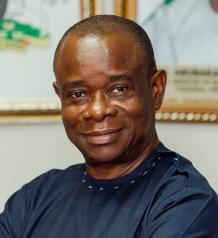
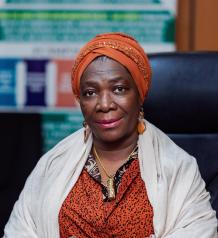
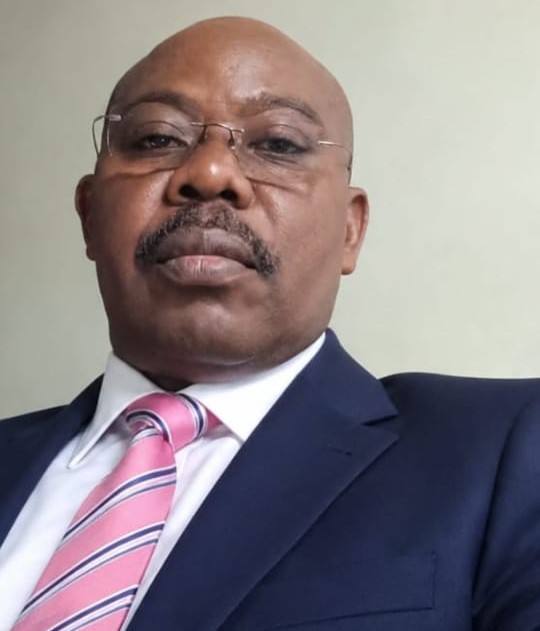
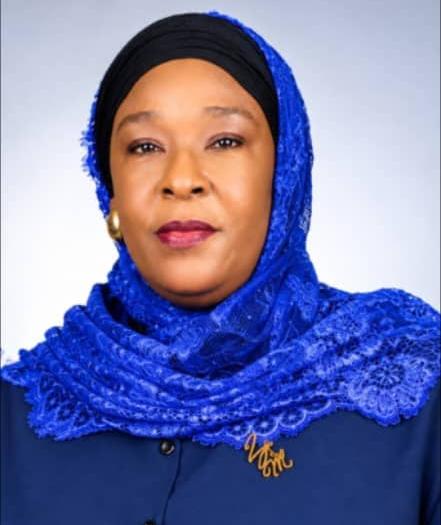
Budget and Economic Planning Leadership

  • LEADERSHIP
  • HIS EXCELLENCY BOLA AHMED TINUBU
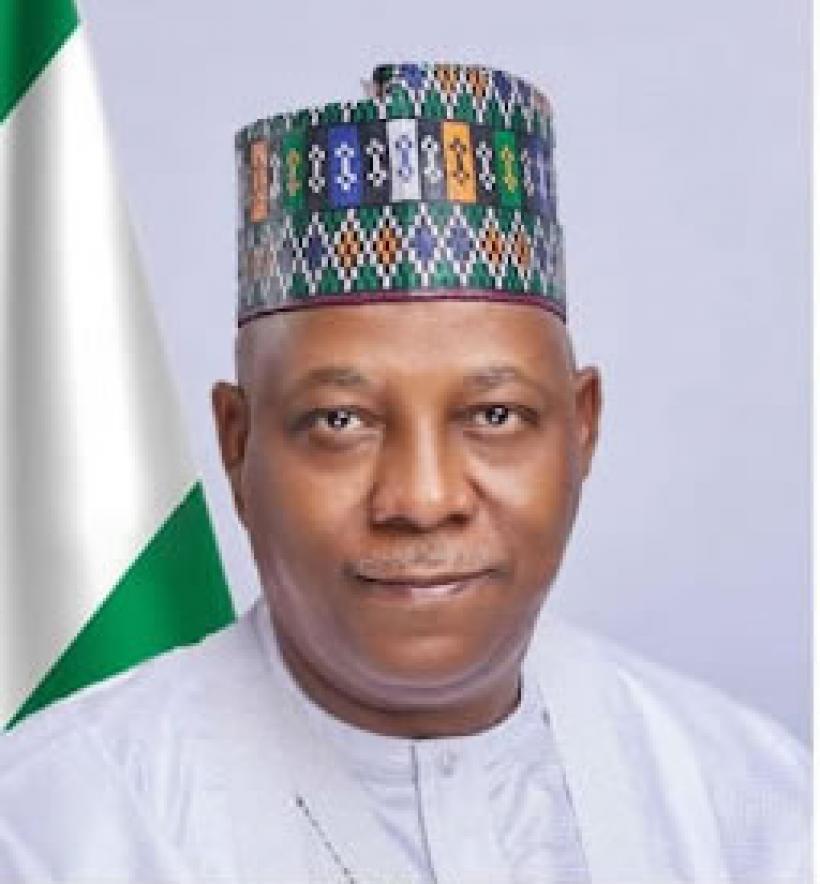
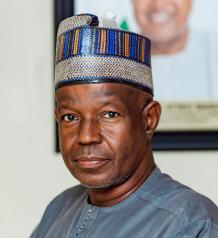
  • HIS EXCELLENCY SEN. KASHIM SHETTIMA
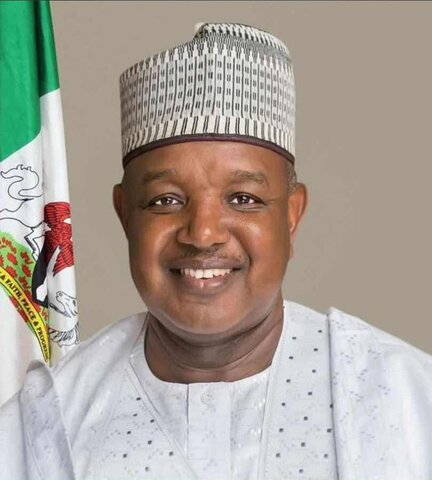
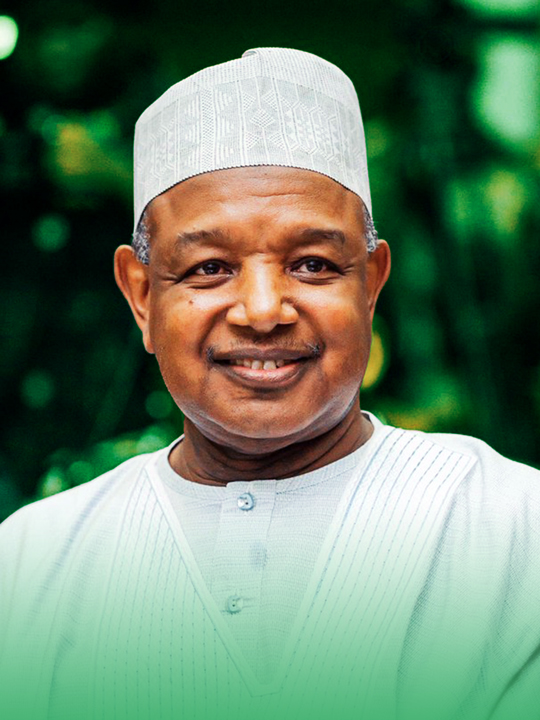
  • HIS EXCELLENCY SEN. ABUBAKAR ATIKU BAGUDU
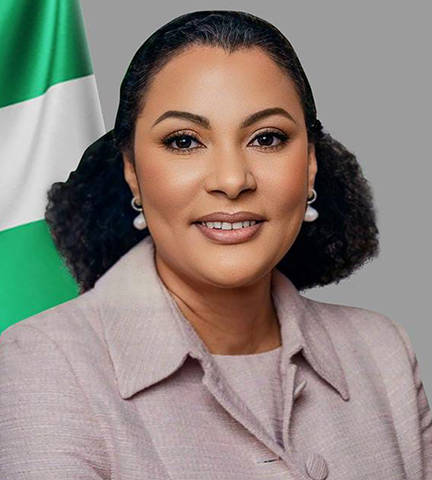
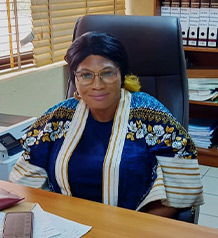
  • HER EXCELLENCY DR. DORIS UZOKA-ANITE, CFA
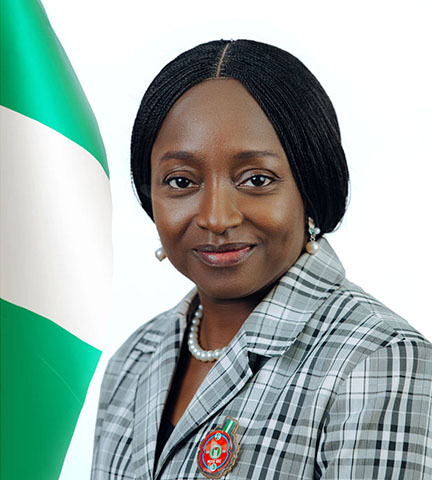
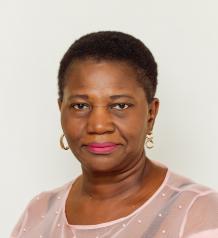
  • DR. DEBORAH O.N. ODOH

NIGERIA IN 2050

The Nigeria Agenda 2050 (NA 2050) is formulated against the backdrop of subsisting economic and social challenges and against the need to address them within the framework of long-and medium-term development plans. These challenges include low, fragile, and non-inclusive economic growth and development, high population growth rate, pervasive insecurity, limited concentric economic diversification and transformation of the economy, low productivity, and high import dependence. Other challenges include an un-conducive business environment and limited external competitiveness, deindustrialization, huge infrastructural deficits (transport, power), governance challenges, climate change, limited fiscal space and high incidences of poverty, unemployment, and inequality.

Part One

RATIONALE, OBJECTIVES AND PRIORITIES

Rationale for Nigeria Agenda 2050 Broad Objectives and Development Priorities for Nigeria Agenda 2050

Part Two

ECONOMIC GROWTH AND DEVELOPMENT

Agriculture, Solid Minerals, Mining, and Steel Development, Oil and Gas Sector, Industrialisation and Manufacturing, Culture, Creative, Tourism, Entertainment, and Hospitality Industry, Modern Financial Services Sector, Trade, Business Environment, and Global Competitiveness

Part Three

INFRASTRUCTURE

Power and Energy Sector, Transportation, Science and Technology, Digital Transformation

Part Four

HUMAN CAPITAL DEVELOPMENT

Education, Healthcare, Food Security and Nutrition Policies for a Vibrant Society

Part Five

SOCIAL DEVELOPMENT

Population Dynamics, Water, and Sanitation, Housing and Urbanisation, Environmental Management, Youths, Sports, Employment Generation for a Growing Economy, Poverty Reduction and Social Equity, Gender Equity, Persons with Special Needs

Part Six

PUBLIC ADMINISTRATION

Strengthening Institutions for a Stable and Peaceful State, Cross-Cutting Issues

Strategic Framework for National Development

National development is the highest priority of the government. Government will unlock all constraints to ensure enhanced economic growth that is inclusive and sustainable, over the Agenda period and beyond, to generate employment and reduce poverty.

To provide policy advice to the President in particular and Nigeria in general on all spheres of national life.
100%
To set national priorities and goals and engender consensus among Government agencies, as may be contained in guidelines issued by the Ministry from time to time.
100%
To undertake periodic review and appraisal of the capabilities of the human and material resource Of Nigeria with a view to advancing their development, efficiency and effective utilization.
100%
To formulate and prepare long-term, medium-term and short-term national development plans and to co-ordinate such plans at the Federal, State, and Local government levels.
100%

Vision

A Professional, Proactive, Smart and Team Oriented, Research, Planning and Budgeting Institution.

Mission

To Promote national development through plans formulation, qualitative budgeting and effective coordination of Socioeconomic development including capacity building and tracking implementation of government policies

Philosophy

The philosophy of the government is to work with all stakeholders within and outside the country for the structural transformation of the economy to guarantee continuous improvement in the welfare and standard of living of all citizens.

Objectives

The Plan seeks to create a stable macroeconomic environment by enhancing investments and establishing a diversified, private sector-led economy. It prioritizes critical infrastructure, strengthened security, and governance. It also aims to promote a healthy population and address demographic challenges.

Foundational Development Areas

Driving strategic planning, efficient budgeting, economic policies, and partnerships to achieve sustainable growth and national development.

Foundational Development Areas

DEPARTMENTS

Units

The Ministry's units are specialized teams that support planning, budgeting, monitoring, and internal operations to drive effective governance and national development.

DEPARTMENTAL HEADS

NEWS & UPDATES