HOPE-GOV: STATES URGED TO LINK BUDGETS TO RESULTS IN EDUCATION, PRIMARY HEALTHCARE
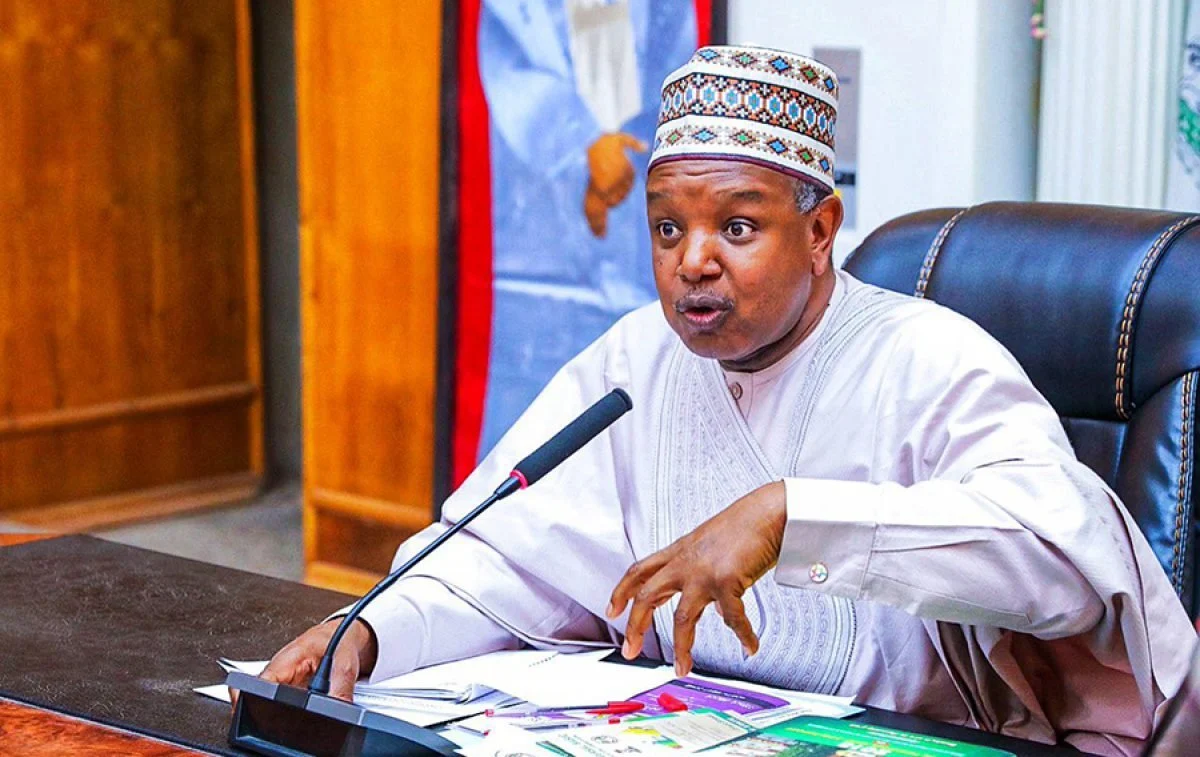
The National Coordinator of the Human Capital Opportunities for Prosperity and Equity – Governance Programme (HOPE-GOV), Dr. Assad Hassan, has called on states to strengthen budget planning and execution for basic education and primary healthcare, stressing the need to translate government plans into measurable results.
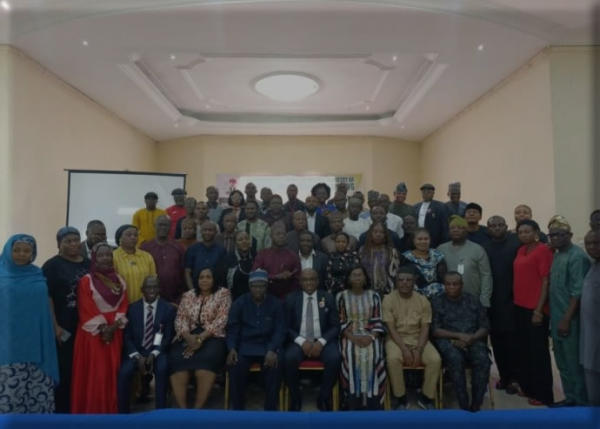
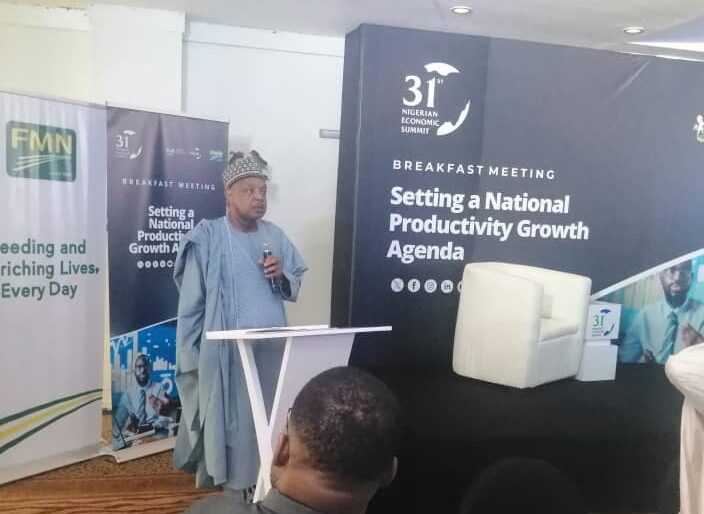
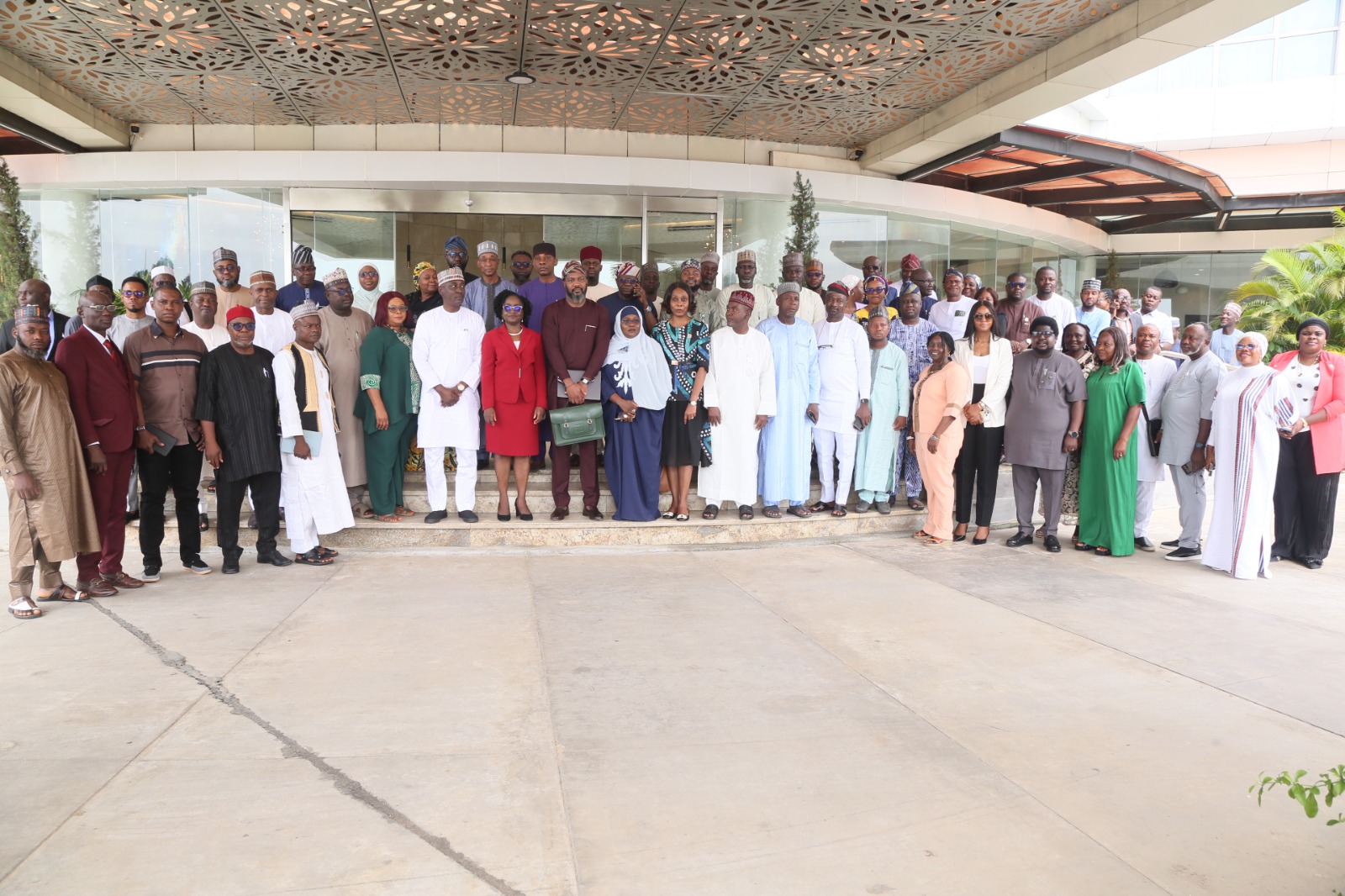
Dr. Assad made the call at the Technical Capacity-Building Workshop on Disbursement Linked Indicator 2 (DLI 2), focused on strengthening state budget planning and execution for basic education and primary healthcare.
Addressing state teams participating in the workshop in Abuja on Monday, and the National Coordinator emphasised that improved public service delivery requires more than increased expenditure; it demands stronger institutional systems that ensure public resources translate into tangible outcomes.
“We are here to move from plans to priorities, from priorities to budgets, and from budgets to results. That is the central message I would like us to take away from these three days,” he said.
Dr. Assad described DLI 2 as a critical intervention to improve the quality of state budget planning and execution, noting that effective governance depends on the systems through which public resources are planned, allocated and deployed.
“Government does not deliver through budgets alone; government delivers through systems,” he stated.
He explained that the HOPE-GOV Program seeks to strengthen the planning, budgeting, execution and accountability mechanisms required to improve service delivery in the basic education and primary healthcare sectors.
“We cannot achieve meaningful improvements in Basic Education and Primary Health Care simply by increasing expenditure. We must improve the quality of the planning, budgeting, execution and accountability systems through which public resources are converted into services and outcomes,” Dr. Assad said.
He added that the workshop was deliberately designed to move beyond conventional classroom training towards practical problem-solving, enabling participating states to identify gaps in their existing processes and agree on concrete measures for improvement.
“Our ambition is simple: we want every State to leave this workshop with greater clarity on what needs to be improved and, more importantly, what needs to be done,” he said.
The workshop brings together relevant state institutions responsible for budget and economic planning, basic education and primary healthcare to strengthen coordination and ensure that sector priorities are adequately reflected in state budgets.
Key areas of focus include aligning Annual Operational Plans (AOPs) for primary healthcare and Annual Consolidated Workplans (ACWPs) for basic education with Fiscal Year 2027 budgets.
Participants will also examine the application of the National Chart of Accounts and programme-based budgeting, project prioritisation, costing, mapping and geo-tagging, as well as reconciling sector plans and workplans with available budget ceilings and resources.
Dr. Assad stressed that achieving DLI 2 requires coordinated action across institutions rather than isolated efforts by individual agencies.
“Planning must inform budgeting; budgeting must reflect sector priorities; and sector priorities must ultimately translate into results,” he said.
The National Coordinator expressed appreciation to the World Bank for its continued technical partnership and support, while acknowledging the contributions of the Universal Basic Education Commission (UBEC), the National Primary Health Care Development Agency (NPHCDA), HOPE-PHC, HOPE-EDU, the Nigeria Governors’ Forum, technical experts, consultants and members of the National Program Coordinating Unit.