Bagudu tells local governments to lead grassroots development
Minister of Budget and Economic Planning, Senator Abubakar Bagudu, has urged local governments to lead inclusive development by strengthening social protection at the grassroots across the country.
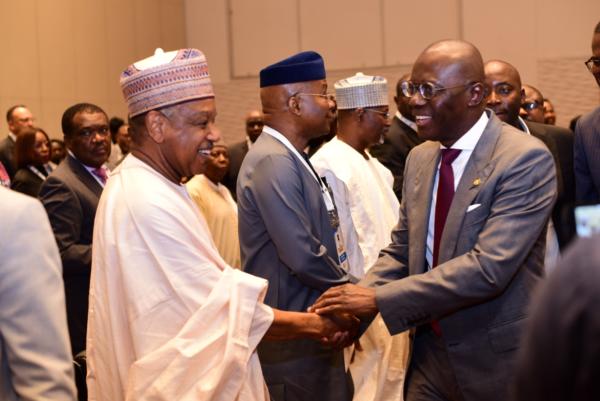
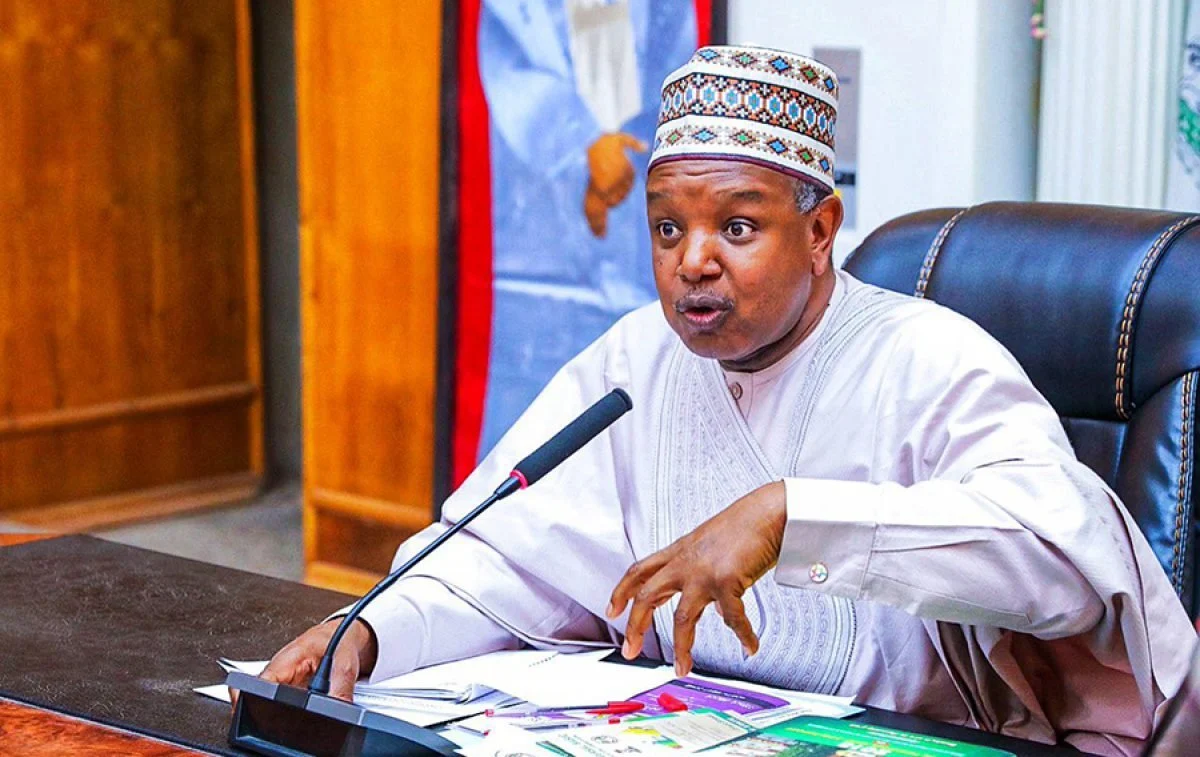
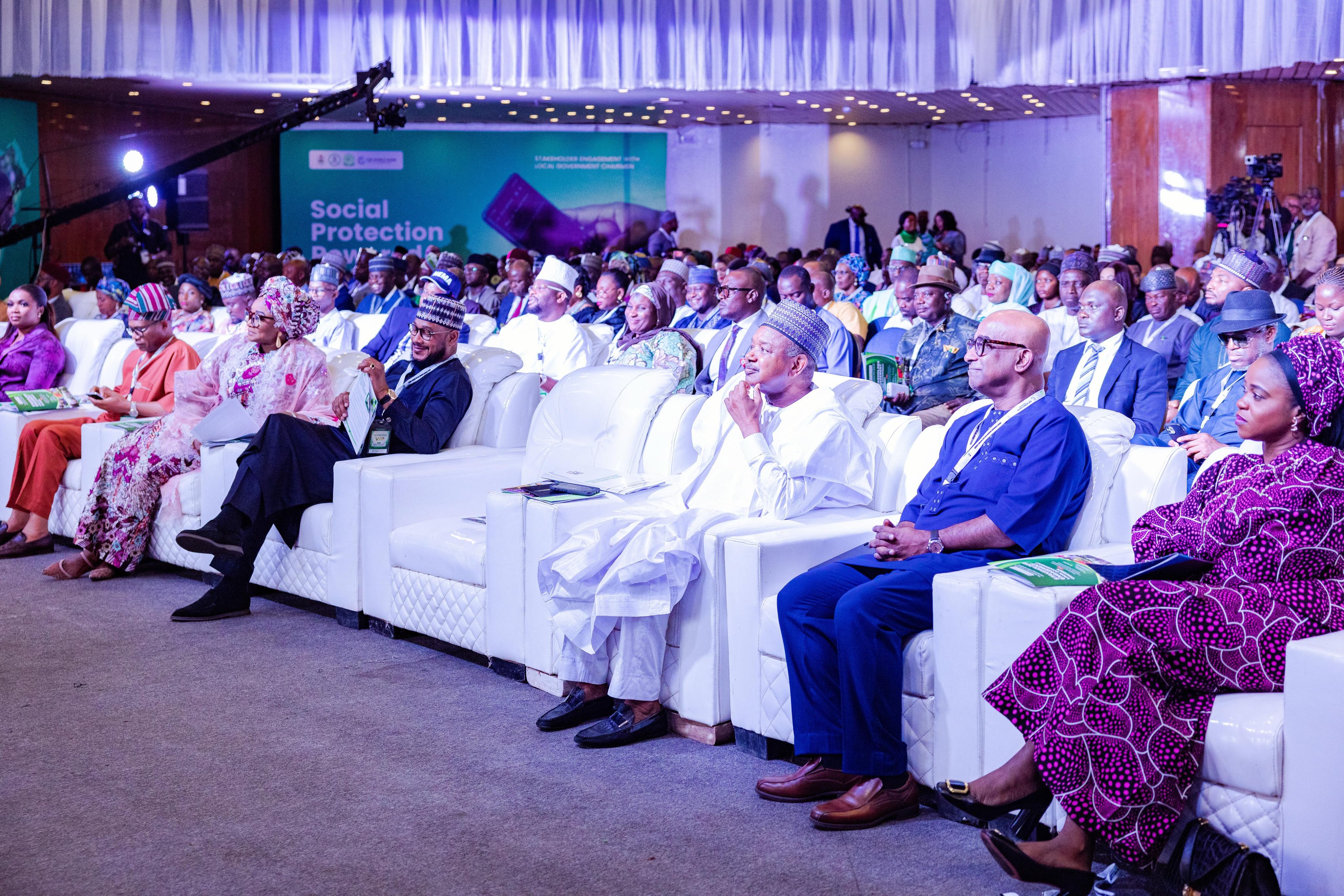 Speaking as the special guest of honour at the Stakeholder Engagement with Local Government Chairmen, hosted by the National Social Safety Nets Coordinating Office (NASSCO) in Abuja, the minister called for stronger collaboration across all tiers of government to deepen inclusive development and strengthen social protection at the local level.
He spoke on the theme, “Strengthening Local Government Leadership for Inclusive Development and Social Protection Delivery,” emphasising that Nigeria’s Constitution imposes both moral and constitutional duties on public officials to ensure the welfare and inclusion of all citizens.
“At the heart of governance in Nigeria is the achievement of the Fundamental Objectives and Directive Principles of State Policy as set out in the Constitution of the Federal Republic of Nigeria,” the minister stated.
He noted that although inclusion remains a national aspiration, many Nigerians continue to face economic hardship, insecurity, and market failures despite working hard to earn a living.
“We must recognise that many hardworking Nigerians — farmers, fishermen, herders, traders, and small business owners — often do not receive returns commensurate with their effort. This makes social protection and inclusive governance necessary,” he said.
Bagudu emphasised that effective social protection requires a coordinated “whole-of-government and whole-of-society” approach, involving federal, state, and local governments, development partners, civil society organisations, and community stakeholders.
The minister highlighted the importance of Section 13 of the Constitution, which mandates all authorities exercising governmental powers to work collectively to achieve national development objectives.
According to him, local government chairmen, governors, and the president are constitutionally obliged to collaborate to ensure inclusive growth and improved living conditions for Nigerians.
He further explained that the 2017 National Social Protection Policy established key intervention programmes and structures, including the National Social Safety Nets Coordinating Office (NASSCO), N-Power, and the National Home-Grown School Feeding Programme.
Bagudu also underscored President Bola Tinubu's commitment to inclusive development and grassroots-driven reforms under the Renewed Hope Agenda.
He revealed that the National Economic Council had approved the Renewed Hope Ward Development Programme, which is designed to map economic opportunities, social realities, and development challenges across wards nationwide.
According to the minister, the initiative aims to strengthen governance and coordination at the grassroots level by enabling wards and local governments to identify development opportunities, existing programmes, service gaps, and intervention priorities.
“The programme aims to ensure that all interventions within a ward communicate and coordinate effectively,” he stated.
The minister observed that many development programmes are currently run in parallel across states and local governments without adequate coordination, leading to duplication, inefficiencies, and service gaps.
He stressed that stronger coordination among government institutions, development partners, humanitarian organisations, and community stakeholders would significantly improve development outcomes and the delivery of social protection.
Bagudu further urged local government chairmen to take ownership of development programmes within their jurisdictions, describing them as the level of government closest to the people.
“Local government chairmen, as the chief executives of their councils, must take ownership of development outcomes within their jurisdictions,” he said.
He added that leadership at the local level should extend beyond seeking increased allocations to identifying and maximising the economic opportunities already present within communities.
The minister maintained that many local governments across Nigeria possess enormous untapped economic potential, which, if properly harnessed through collaboration with state and federal authorities, could drive prosperity, inclusion, and grassroots development.
He reaffirmed the Federal Government’s commitment to strengthening social protection systems and to ensuring that economic reforms deliver tangible benefits for ordinary Nigerians.
Speaking as the special guest of honour at the Stakeholder Engagement with Local Government Chairmen, hosted by the National Social Safety Nets Coordinating Office (NASSCO) in Abuja, the minister called for stronger collaboration across all tiers of government to deepen inclusive development and strengthen social protection at the local level.
He spoke on the theme, “Strengthening Local Government Leadership for Inclusive Development and Social Protection Delivery,” emphasising that Nigeria’s Constitution imposes both moral and constitutional duties on public officials to ensure the welfare and inclusion of all citizens.
“At the heart of governance in Nigeria is the achievement of the Fundamental Objectives and Directive Principles of State Policy as set out in the Constitution of the Federal Republic of Nigeria,” the minister stated.
He noted that although inclusion remains a national aspiration, many Nigerians continue to face economic hardship, insecurity, and market failures despite working hard to earn a living.
“We must recognise that many hardworking Nigerians — farmers, fishermen, herders, traders, and small business owners — often do not receive returns commensurate with their effort. This makes social protection and inclusive governance necessary,” he said.
Bagudu emphasised that effective social protection requires a coordinated “whole-of-government and whole-of-society” approach, involving federal, state, and local governments, development partners, civil society organisations, and community stakeholders.
The minister highlighted the importance of Section 13 of the Constitution, which mandates all authorities exercising governmental powers to work collectively to achieve national development objectives.
According to him, local government chairmen, governors, and the president are constitutionally obliged to collaborate to ensure inclusive growth and improved living conditions for Nigerians.
He further explained that the 2017 National Social Protection Policy established key intervention programmes and structures, including the National Social Safety Nets Coordinating Office (NASSCO), N-Power, and the National Home-Grown School Feeding Programme.
Bagudu also underscored President Bola Tinubu's commitment to inclusive development and grassroots-driven reforms under the Renewed Hope Agenda.
He revealed that the National Economic Council had approved the Renewed Hope Ward Development Programme, which is designed to map economic opportunities, social realities, and development challenges across wards nationwide.
According to the minister, the initiative aims to strengthen governance and coordination at the grassroots level by enabling wards and local governments to identify development opportunities, existing programmes, service gaps, and intervention priorities.
“The programme aims to ensure that all interventions within a ward communicate and coordinate effectively,” he stated.
The minister observed that many development programmes are currently run in parallel across states and local governments without adequate coordination, leading to duplication, inefficiencies, and service gaps.
He stressed that stronger coordination among government institutions, development partners, humanitarian organisations, and community stakeholders would significantly improve development outcomes and the delivery of social protection.
Bagudu further urged local government chairmen to take ownership of development programmes within their jurisdictions, describing them as the level of government closest to the people.
“Local government chairmen, as the chief executives of their councils, must take ownership of development outcomes within their jurisdictions,” he said.
He added that leadership at the local level should extend beyond seeking increased allocations to identifying and maximising the economic opportunities already present within communities.
The minister maintained that many local governments across Nigeria possess enormous untapped economic potential, which, if properly harnessed through collaboration with state and federal authorities, could drive prosperity, inclusion, and grassroots development.
He reaffirmed the Federal Government’s commitment to strengthening social protection systems and to ensuring that economic reforms deliver tangible benefits for ordinary Nigerians.