The Honourable Minister of State, Federal Ministry of Budget and Economic Planning, Dr. Doris Uzoka-Anite, has reaffirmed the Federal Government’s unwavering commitment to advancing child welfare as a central pillar of President Bola Ahmed Tinubu’s Renewed Hope Agenda, emphasizing that sustainable national development depends on deliberate and consistent investment in children.
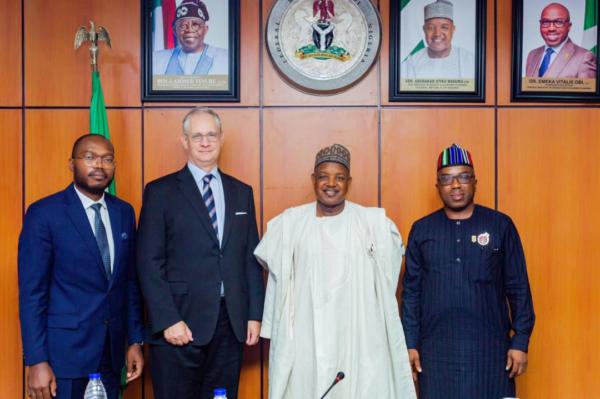
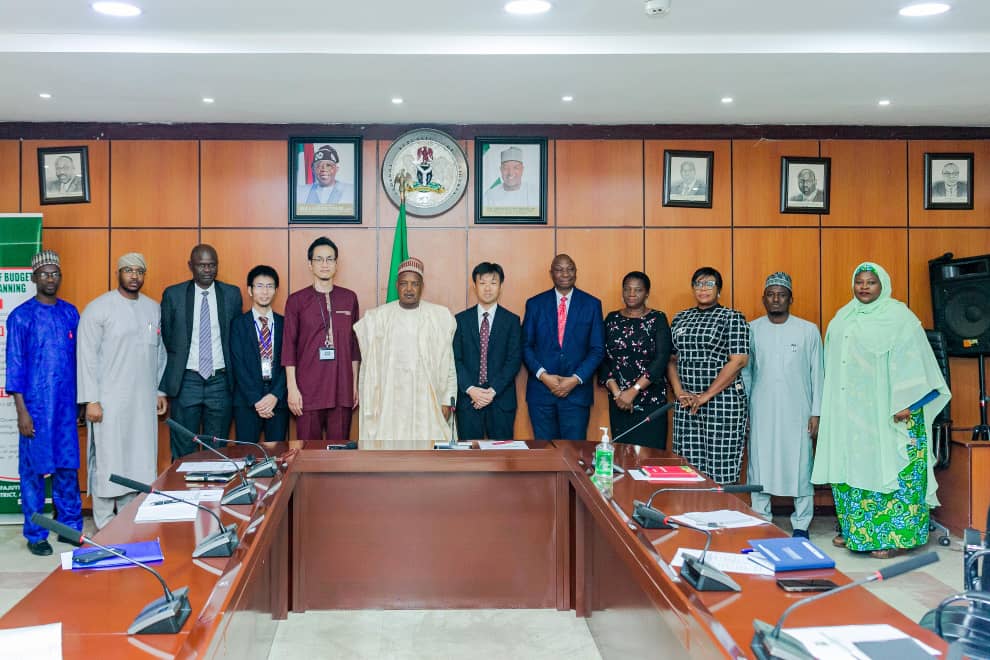
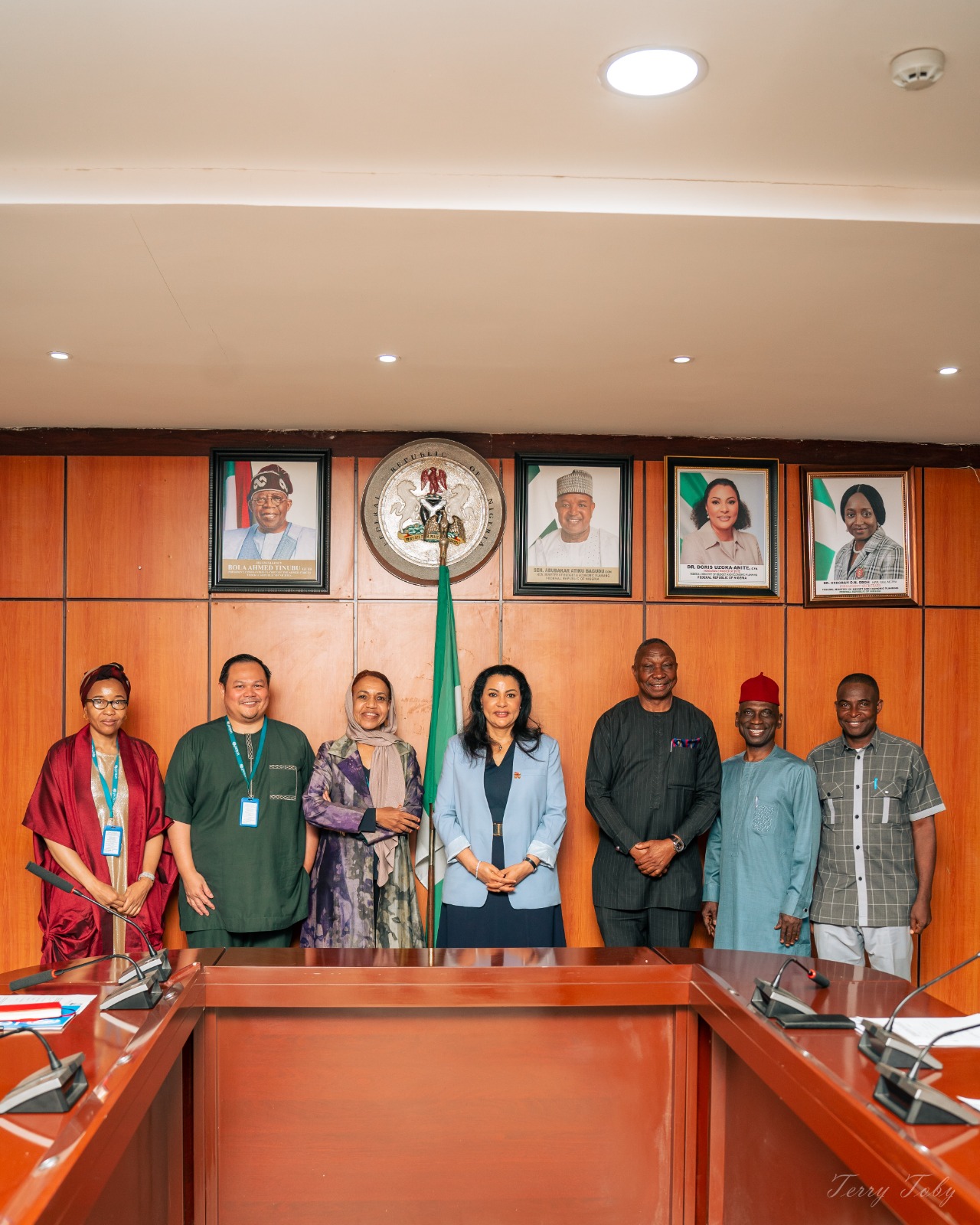
Receiving the Country Representative of UNICEF, Ms. Wafaa Saeed, and her delegation on a courtesy visit to the Ministry, the Minister stressed the urgency of strengthening efforts to safeguard children amid growing social and economic vulnerabilities, while deepening collaboration with development partners to achieve measurable outcomes.
Dr. Uzoka-Anite underscored that beyond addressing immediate needs such as nutrition, there is a pressing responsibility to ensure that children are protected, supported, and empowered to thrive in a rapidly changing world. She highlighted the importance of aligning national planning frameworks with child-focused priorities, including budgeting processes that reflect measurable indicators for child development and well-being.
She noted that while existing partnerships have delivered meaningful progress, there is a need to scale up collaboration, particularly in nutrition, planning, and implementation of programmes that directly impact children across the country. She further reiterated the Ministry’s commitment to building a robust and inclusive National Development Plan that fully integrates the needs of children and aligns with the Renewed Hope Agenda’s focus on social inclusion, human capital development, and social protection.
Speaking on nutrition, the Minister described it as a critical foundation for a child’s physical growth, cognitive development, and future productivity, stressing that a well-nourished child is better equipped to learn and contribute meaningfully to society. She called for intensified efforts to ensure that every child has access to adequate and nutritious food, noting that nutrition remains underrepresented despite progress in other areas.
Dr. Uzoka-Anite also emphasized the importance of sustainable financing for child-focused programmes, encouraging continued mobilization of resources and improved public financial management to guarantee long-term impact. She proposed the formalization of collaboration between the Ministry and UNICEF through a Memorandum of Understanding and a joint work plan for 2025–2026 to strengthen accountability, coordination, and results delivery.
In her words: “If we are to build a prosperous and resilient nation, we must invest deliberately and consistently in our children.”
Earlier, the UNICEF Country Representative, Ms. Wafas Saeed, congratulated the Honourable Minister on her appointment and reaffirmed UNICEF’s commitment to supporting Nigeria’s development priorities through aligned, targeted, and impactful programmes.
She acknowledged Nigeria’s strategic importance on the global stage, noting that its progress has far-reaching implications beyond its borders. According to her, UNICEF’s programmes are carefully designed to reflect the Government’s vision and contribute to clearly defined national goals, ensuring coherence and measurable impact.
Ms. Saeed highlighted the growing global interest in Nigeria as a hub for innovation and investment, particularly in areas such as local manufacturing of vaccines and essential supplies, describing the shift towards sustainable, locally driven solutions as both timely and necessary.
She further emphasized the importance of education as a cornerstone of development, noting that while access to schooling has improved, greater attention must be paid to learning outcomes to ensure children acquire the skills needed for the future. She pointed out that the learning crisis across Africa requires urgent and coordinated action, while commending Nigeria’s efforts in exploring innovative models, strengthening foundational learning, and investing in skills development.
Ms. Saeed stressed the need to build resilient systems capable of responding to economic, security, and climate-related challenges, highlighting the role of social protection in supporting vulnerable populations and strengthening community resilience.
Reaffirming UNICEF’s partnership approach, she noted that collaboration is guided by alignment with government priorities and respect for national ownership, adding that UNICEF remains committed to working across all levels to provide support where it is most needed, including in public financial management and system strengthening.
In her words: “We are not here to impose solutions, but to work alongside government, to listen, and to contribute where we can add the most value.”
Both parties reiterated their shared commitment to deepening collaboration and ensuring that development efforts translate into tangible improvements in the lives of children across Nigeria. The meeting also highlighted the importance of sustained engagement ahead of upcoming strategic forums, including partners’ meetings and joint planning sessions.
The engagement concluded with a renewed call for collective action among government, development partners, and stakeholders to deliver lasting impact, with a shared vision of a future where every Nigerian child is protected, nourished, educated, and empowered to reach their full potential.
Julie Osagie-Jacobs
Director (Infor &PR)