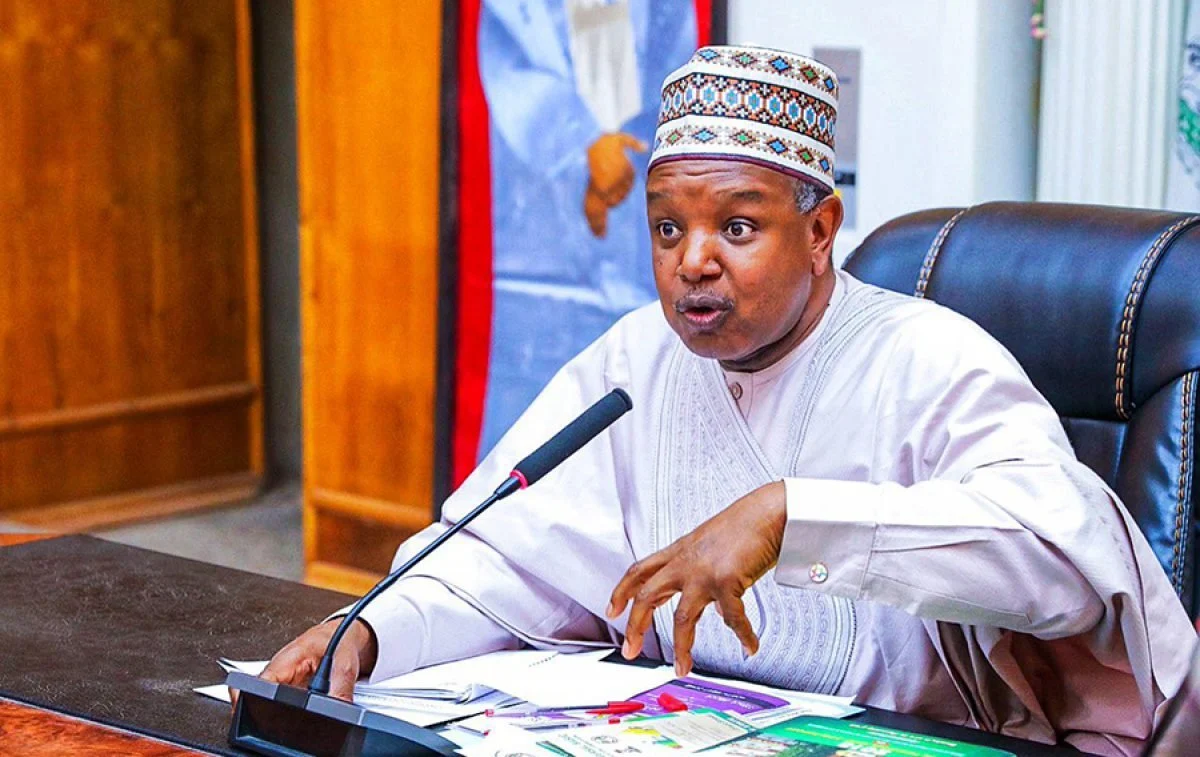
President Bola Tinubu’s ongoing economic reforms are progressing well and have the unusual outcome of strengthening political consensus in the country, the Minister of Budget and Economic Planning, Senator Abubakar Bagudu, said on Wednesday in Abuja.
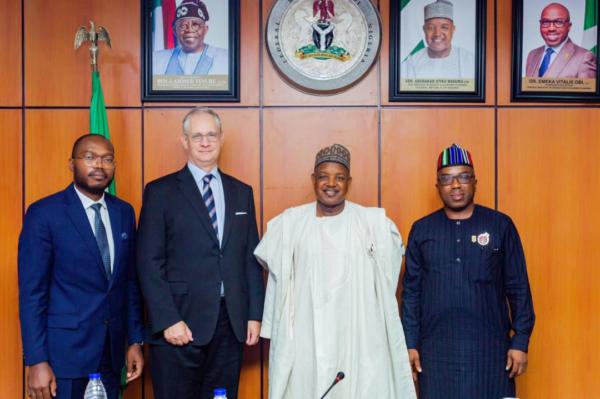
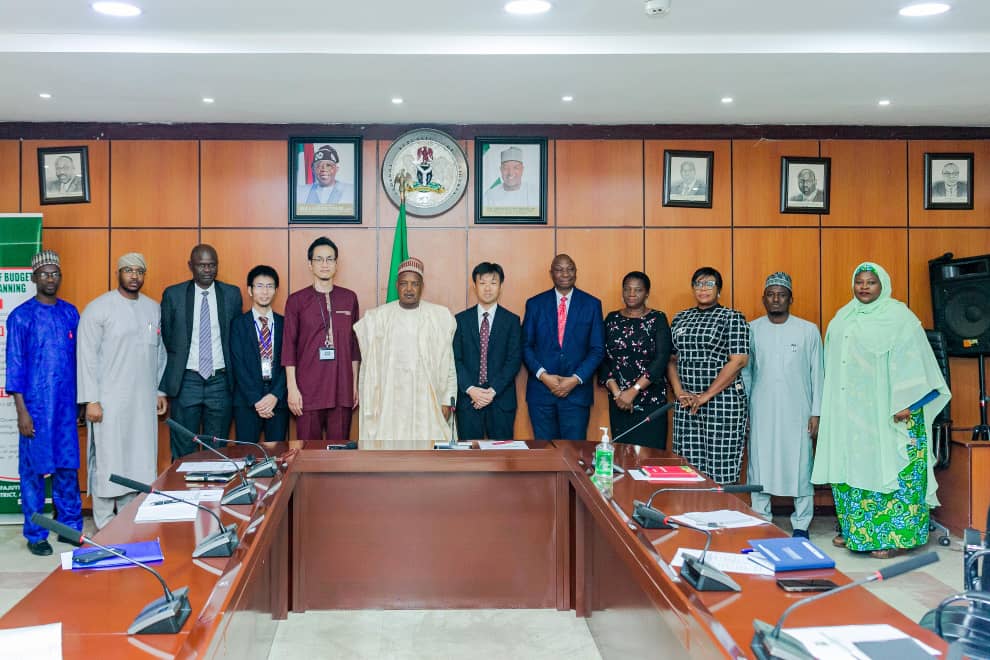
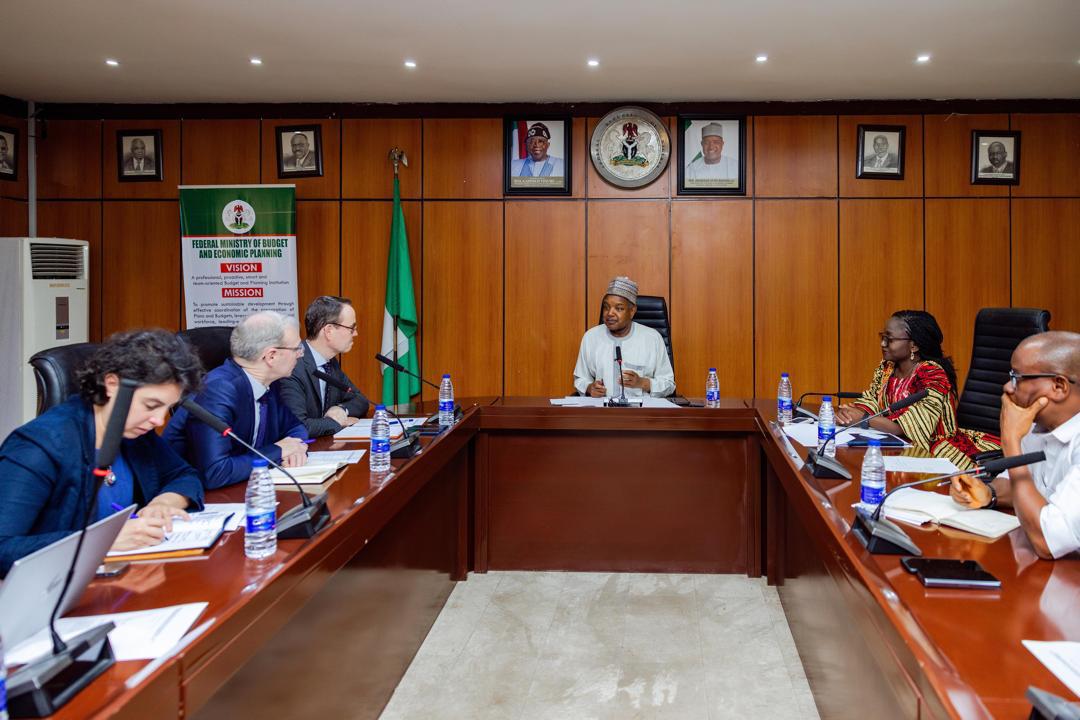
He spoke at a meeting with officials from the Agence Française de Développement (AFD) Microeconomic Risk Analysis Due Diligence Mission, led by its Country Director, Mr Jacky Amprou, explaining that the reforms have fostered unity of purpose between the executive and legislative branches as well as among the three tiers of government.
 Bagudu emphasised that under Tinubu’s leadership, the nation’s federal system has been strengthened, with better coordination among the federating units through the effective management of the National Economic Council, a body constitutionally responsible for guiding the country's economic growth.
“The reforms have improved cooperation between the executive and legislative branches of government. The National Assembly has been very supportive of the President’s bold economic initiatives,” he told the AFD mission, adding, “Of equal importance is the friendly relationship among the federal, state, and local governments.”
He observed that the macroeconomic reforms implemented over the past two and a half years have begun to show tangible results, including improved macroeconomic stability, heightened investor confidence, and an unusual yet notable increase in political cohesion across the federation.
The Minister emphasised that, despite regional political instability and the challenging timing of reforms, Nigeria has remained committed to implementing bold economic measures.
He observed that increasing political consensus around these reforms has helped stabilise the exchange rate, maintain investor confidence, and reduce the usual pre-election uncertainty often linked with emerging markets.
Reiterating President Bola Ahmed Tinubu’s economic vision, the Minister emphasised Nigeria’s aim to develop a one-trillion-dollar economy within the next five years, driven by inclusive and decentralised growth.
At the heart of this vision is the Renewed Hope Ward Development Plan, a grassroots-driven initiative designed to map Nigeria’s economic potential across its 8,809 wards, gather priorities from the local level up to the national stage, and promote a fairer distribution of growth and federal resources.
Under this framework, he explained, each ward’s economic potential, including agriculture, skills, resources, and industry are being mapped, emphasising that development planning will originate at the ward level, feed into state development plans, and ultimately shape the national development plan.
He stated that agriculture, local production, and value chains would be prioritised to promote job creation, food security, and household income growth.
Bagudu reaffirmed the government’s strong commitment to private-sector-led growth, with reforms aimed at making Nigeria more attractive to both local and foreign investors, despite challenges related to revenue generation, high interest rates, and global economic pressures.
He acknowledged the short-term difficulties and pains of the reforms, but said they were necessary, critical, and irreversible for Nigeria’s long-term stability and sustainable growth.
Earlier in his speech, the AFD mission, led by Mr. Jacky Amprou, noted that AFD is not focused on a single project, but on a comprehensive review of Nigeria’s macroeconomic and structural reforms.
He added that the agency is updating its country risk and economic assessment, a regulatory requirement that will guide future engagements and financing decisions.
Amprou acknowledged that significant reforms have been implemented since 2022, leading to notable changes in Nigeria’s economic landscape.
The mission, he pointed out, aims for a deeper understanding of the government’s plans for: the consolidation of reforms, sustained economic growth, and the acceleration of national development.
Also speaking, the Permanent Secretary of the Ministry, Dr. Deborah Odoh, welcomed the AFD delegation and other development partners, emphasising the importance of strategic alignment with Nigeria’s 2026–2030 National Development Plan.
She reiterated Nigeria’s stance as an attractive destination for economic growth and expressed appreciation for ongoing international partnerships, while emphasising that the government expects all development support to align with national priorities.
Both parties agreed that future AFD activities in Nigeria must strictly align with the government’s development priorities. Discussions also included the preparation of a new AFD–Nigeria Country Partnership Agreement, as the current five-year framework concludes in 2025, ensuring coherence with Nigeria’s upcoming 2026–2030 National Development Plan.