Nigeria Strengthens Food and Nutrition Framework as Stakeholders Validate Revised National Policy
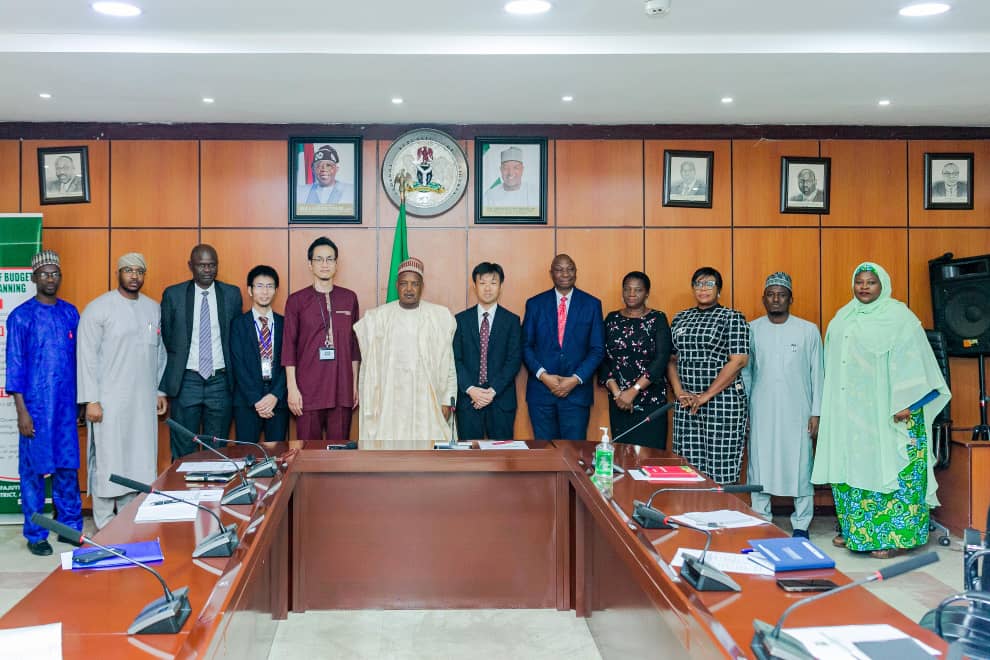
The Permanent Secretary, Ministry of Budget and Economic Planning, Dr. Deborah Odoh, has charged development partners and stakeholders to actively engage in ensuring that Nigeria’s food and nutrition policy aligns with the latest research, current realities, and global best practices.
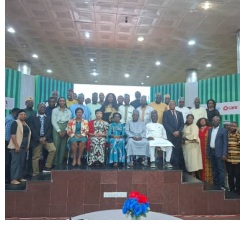
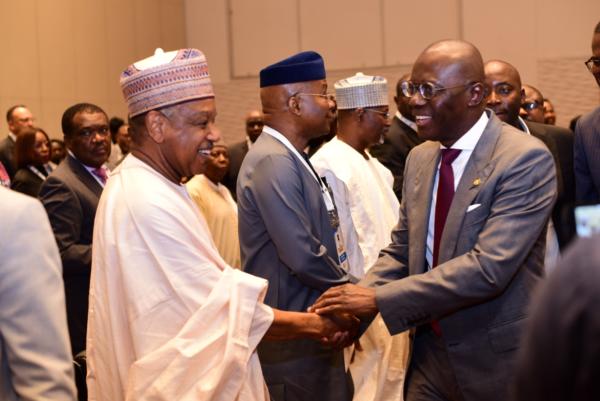
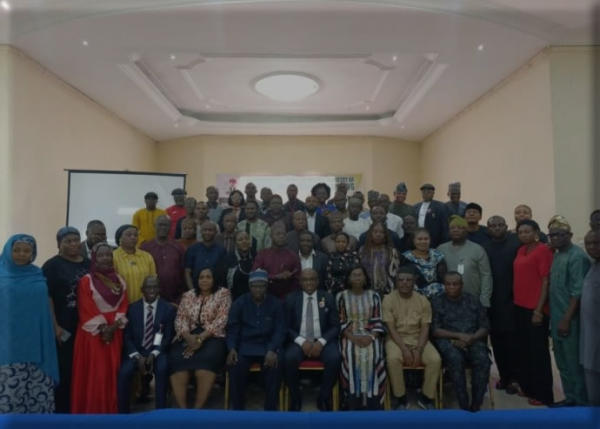
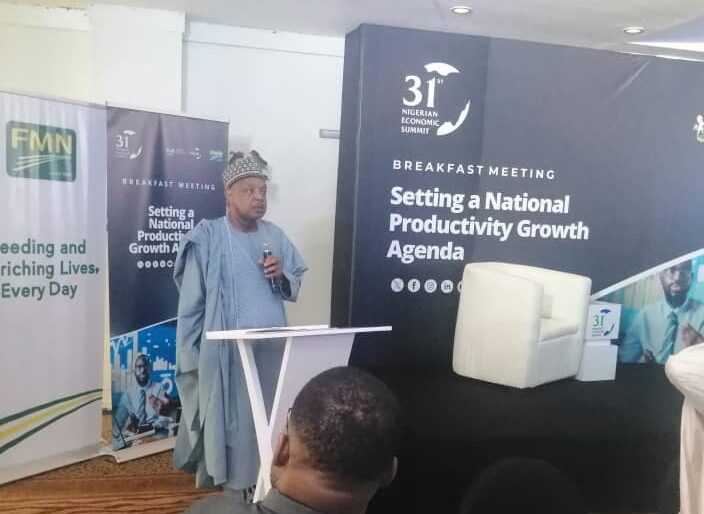
She made this call while speaking at the National Validation Meeting on the Revised National Policy on Food and Nutrition (NPFN), held on Monday, 26th January, 2026 at the Rockview Hotel, Abuja.
Dr. Odoh emphasized the importance of the dialogue, describing it as a critical platform to identify gaps, address challenges, and harness opportunities to elevate Nigeria’s nutrition initiatives. She said, “Today’s dialogue is paramount as we seek to identify gaps, address challenges, and harness opportunities that will allow us to elevate our nutrition initiatives to new heights”.
She further noted that social protection programmes, health sector reforms, and interventions across education, water, sanitation and hygiene, and food systems are being closely aligned to deliver improved nutrition outcomes, particularly for vulnerable people.
Dr. Odoh highlighted several government-led measures aimed at strengthening the country’s food and nutrition ecosystem. These include the revision of the National Policy on Food and Nutrition, development of a multi-sectoral action plan for food and nutrition nationwide, enhancement of coordination platforms at national and state levels, and improvements in data systems to support evidence-based decision-making.
The Permanent Secretary also expressed deep appreciation to development partners within and outside the country, particularly those who provided technical support throughout the review process.
While delivering her goodwill message, the Senior Special Assistant to the President on Public Health, Mrs. Uju Rochas Anwuka, underscored the persistent gap between policy and practice, noting that the policy review provides an opportunity to correct course and sharpen focus on implementation that reaches grassroots communities, households, and children.
She emphasized that policies only matter when they work, a principle that informed the launch of Nutrition 774 by the National Council on Nutrition.
The Chief of Nutrition, UNICEF Nigeria, Ms. Nemat Hajeebhoy, expressed concern over Nigeria’s nutrition indicators, citing high rates of stunting, declining breastfeeding practices, severe acute malnutrition, and limited access to life-saving treatment. She called for a shift from opinion-informed policies to evidence-informed policies.
Goodwill messages from the Aliko Dangote Foundation, National Assembly, Nigeria Governor’s Forum, Nutrition Society of Nigeria and Commissioners of Budget and Economic Planning in the 36 states of Nigeria all emphasized that Nigeria’s double burden of malnutrition which is over nutrition and undernutrition requires a robust framework, describing the revised policy as key to unlocking the nation’s potential. They all pledged their continued support and commitment to advance nutrition outcomes.
The Director of Food and Nutrition, Ministry of Budget and Economic Planning, Mrs. Clementina Okoro, while giving her welcome remarks, acknowledged Nigeria’s progress under the first and second editions of the National Policy on Food and Nutrition.
She however noted that malnutrition remains unacceptably high.
According to her, the current revision reflects the government’s Renewed Hope Agenda and renewed commitment to tackling food insecurity, which continues to constrain national productivity and human development.
She explained that the primary objective of the validation meeting was to obtain final stakeholder inputs into the draft National Policy on Food and Nutrition (2026–2035), which is central to achieving national goals of reducing all forms of malnutrition and addressing food and nutrition challenges over the next decade.