The Federal Government has commenced the empowerment of about 14 million smallholder farmers as key players in Nigeria’s cassava bioethanol value chain, to boost rural incomes, drive industrialization and cut fuel import costs.
The empowerment is being implemented through the Cassava Bioethanol Value Chain Development Project.
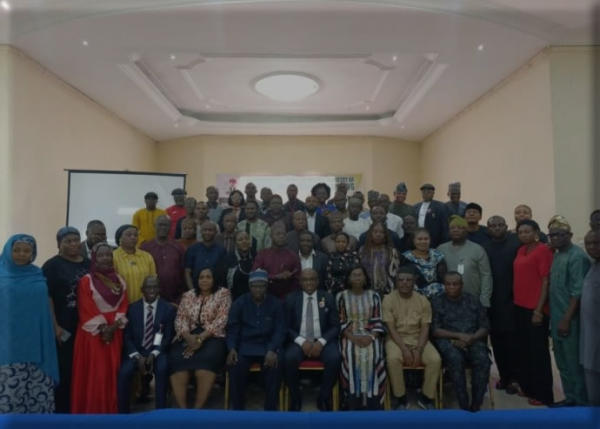
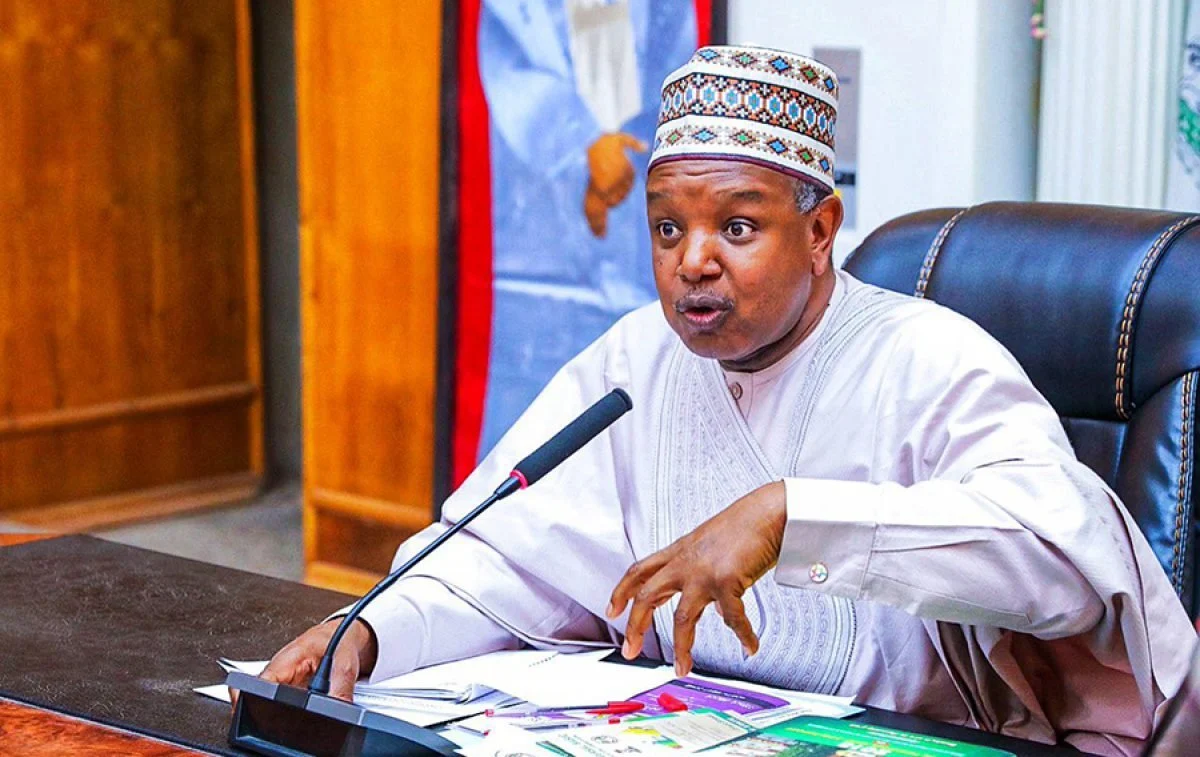
The Minister of Budget and Economic Planning, Senator Abubakar Bagudu, stated this at a capacity-building workshop for stakeholders in the South-East zone in Enugu, Enugu State.
Senator Bagudu said effective implementation of the project could save Nigeria over ₦3 trillion annually in foreign exchange by blending bioethanol with Premium Motor Spirit (PMS), thereby reducing the country’s dependence on imported fuel.
He explained that under the National Bio-Economy Policy, the ministry was committed to promoting a circular economy that goes beyond ethanol production and utilization.
“We are looking at the entire value chain, from high-quality stems and starch to the CO₂ captured during fermentation and the animal feeds produced from distillery grains,” the minister said.
The Minister, represented by the Director of Economic Growth, Mr Auwal Mohammed of the Ministry, affirmed that the project would adopt a Triple-Helix knowledge transfer partnership framework, which focuses on providing high-yield, disease-resistant cassava varieties, driving investment, technology and market access, as well as creating an enabling environment and infrastructure.
Earlier, the Director of Agriculture in the Economic Growth Department, Mr Olaifa Alade, said the workshop was designed to strengthen stakeholders’ capacity for effective project implementation and to lay a solid foundation for an initiative that sits at the intersection of industrialization, energy transition and rural empowerment.
Alade assured participants of the Ministry of Budget and Economic Planning’s commitment to providing the necessary policy support and monitoring framework to ensure the successful transition of the pilot phase into a national programme.
He expressed optimism that the knowledge gained from the training would catalyze transformation in Nigeria’s agricultural and energy sectors, driving sustainable national growth.
Participants were trained on key modules, including Nigeria’s Bio-Economy Framework and Cassava Bioethanol, cassava bioethanol value chain mapping, stakeholder engagement and public-private partnerships, project management, monitoring and evaluation, and implementation effectiveness.
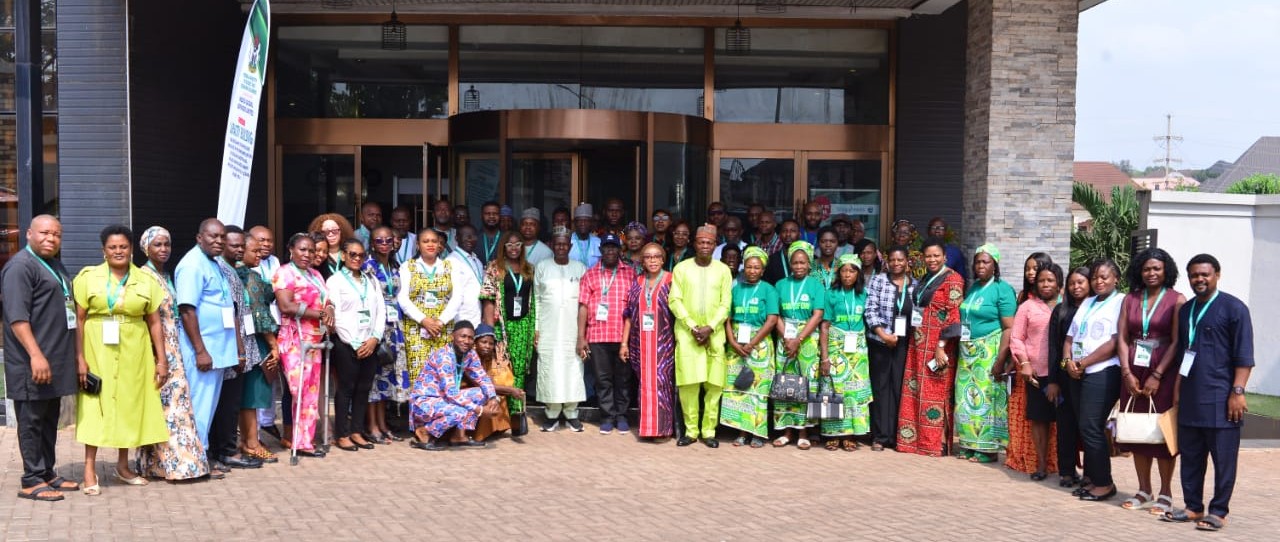
The workshop drew participants from state ministries of budget and economic planning, state ministries of agriculture, farmers’ associations, the Manufacturers Association of Nigeria (MAN), NACCIMA, universities and research institutes across the South-East zone.
The capacity-building programme was organised by the Federal Ministry of Budget and Economic Planning in collaboration with Meatia Global Services Ltd and the Association of Deans of Faculties of Agriculture of Nigerian Universities (ADAN).