FG Moves to Update National Food, Nutrition Policy Framework
The Federal Government has described the ongoing overhaul of the National Policy on Food and Nutrition (2016–2025) as a defining step in Nigeria’s drive to secure sustainable access to food and improve the nutritional well-being of its citizens.
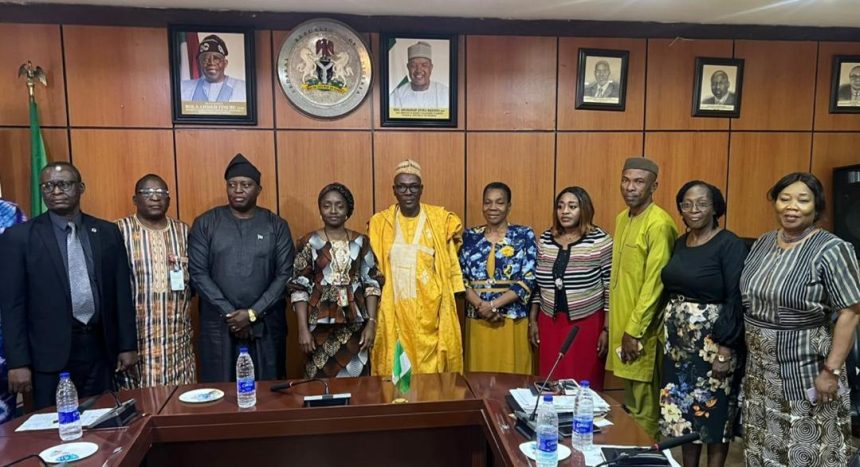
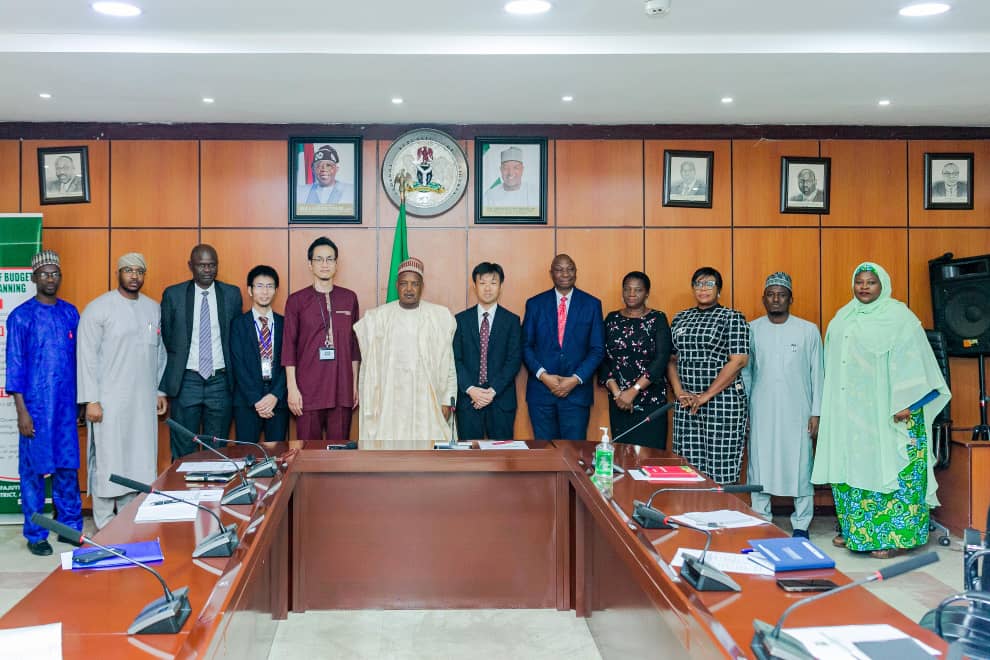
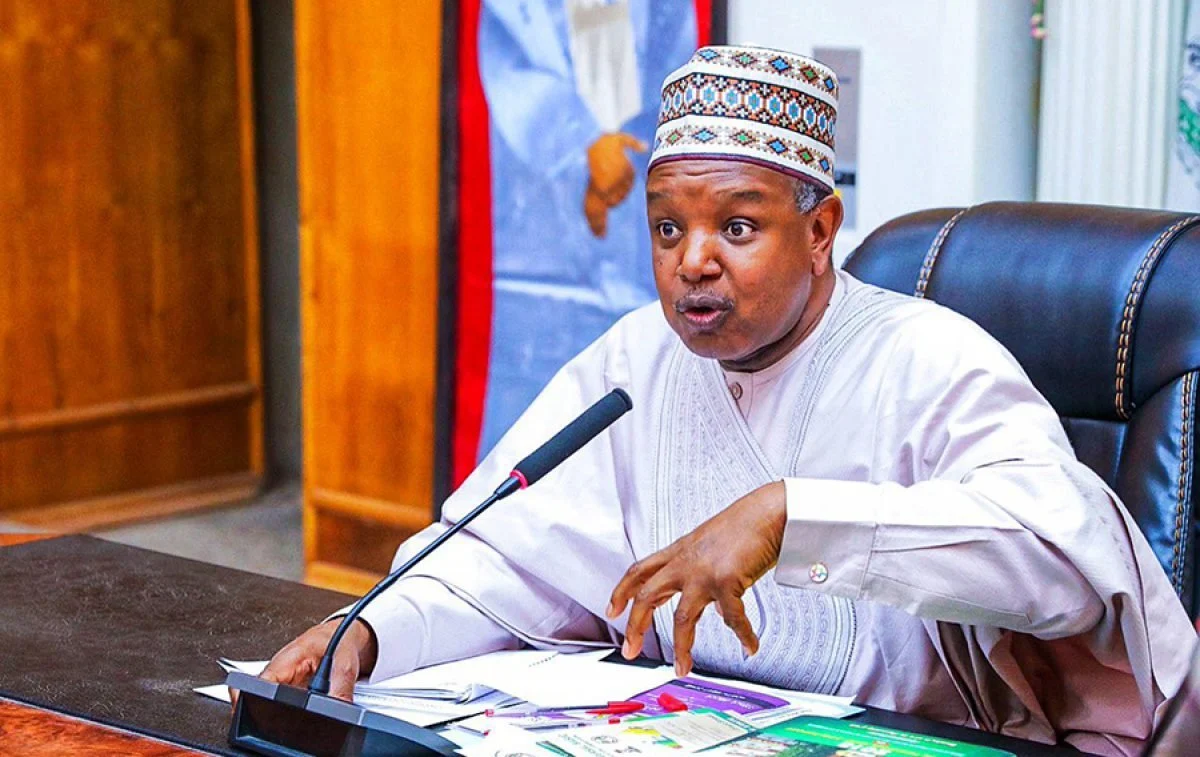
Speaking at the Steering Committee Meeting on the review of the policy and its implementation framework in Abuja, the Permanent Secretary of the Federal Ministry of Budget and Economic Planning, Dr. Deborah O. N. Odoh, said the exercise was designed to reposition the country’s food and nutrition strategy in line with current realities and the Renewed Hope Agenda of the administration.
Dr. Odoh explained that the committee, inaugurated in March 2025, was mandated to provide direction for a comprehensive reassessment of the existing framework, taking into account new economic, social and environmental challenges facing the country. She said the outcome of the process is expected to be a 10-year roadmap covering the period from 2026 to 2035, which will guide interventions at both federal and state levels.
“This process has been deeply consultative, bringing together voices from across sectors to ensure that the new framework truly reflects national priorities and emerging trends,” she said. “Our goal is to deliver a policy that not only responds to today’s challenges but also anticipates the needs of future generations.”
She noted that the revised policy is intended to promote healthier eating habits, reduce all forms of malnutrition and improve the nutritional status of vulnerable populations, including women, children, adolescents and the elderly. According to her, the steering committee meeting was convened to fine-tune the draft document ahead of its submission to the National Council on Nutrition later this month.
Also addressing participants, the Director of Nutrition, Mrs. Clementina Okoro, described the revised framework as central to achieving the country’s long-term targets on tackling malnutrition and strengthening food systems. She commended the collaborative efforts of federal and state ministries, development partners, consultants, civil society groups, the private sector and academic institutions, noting that their contributions had shaped the policy’s direction.
“The collective input we have received has ensured that this document is grounded in evidence and practical realities,” Okoro said. “It reflects the shared commitment of all partners to improve nutrition outcomes across the country.”
The Special Assistant to the President on Public Health and Food and Nutrition, Mrs. Uju Rochas Anwuka, linked food and nutrition security to broader economic and social outcomes, including productivity, public health and national stability. She said changing demographics, climate pressures and evolving food systems made it necessary to revisit the existing framework to keep it relevant and effective.
“Food and nutrition are not just health issues; they are economic and security concerns that affect the strength of our workforce and the resilience of our communities,” she said.
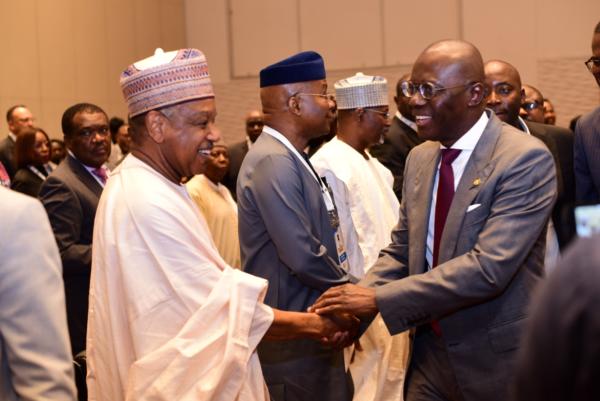
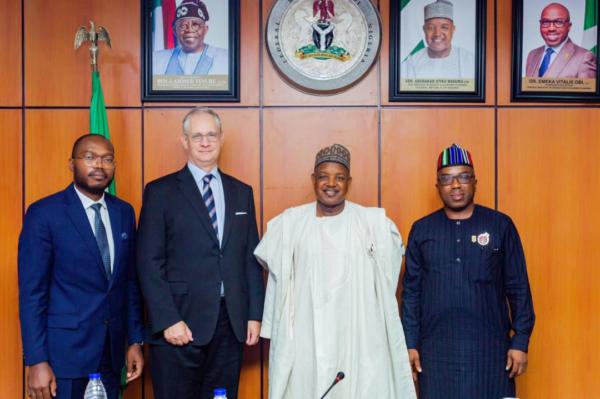
The meeting drew participants from key sectors, including health, agriculture, social protection, water and sanitation, as well as development partners and private sector representatives. Stakeholders reviewed the draft policy and offered recommendations aimed at ensuring that the final document is practical, inclusive and capable of delivering measurable impact across the country.