The federal government has unveiled the central priorities of the 2026 national budget, emphasising ward-based development, infrastructure expansion, stronger security systems and enhanced domestic production as Nigeria confronts sharp reductions in global development assistance.
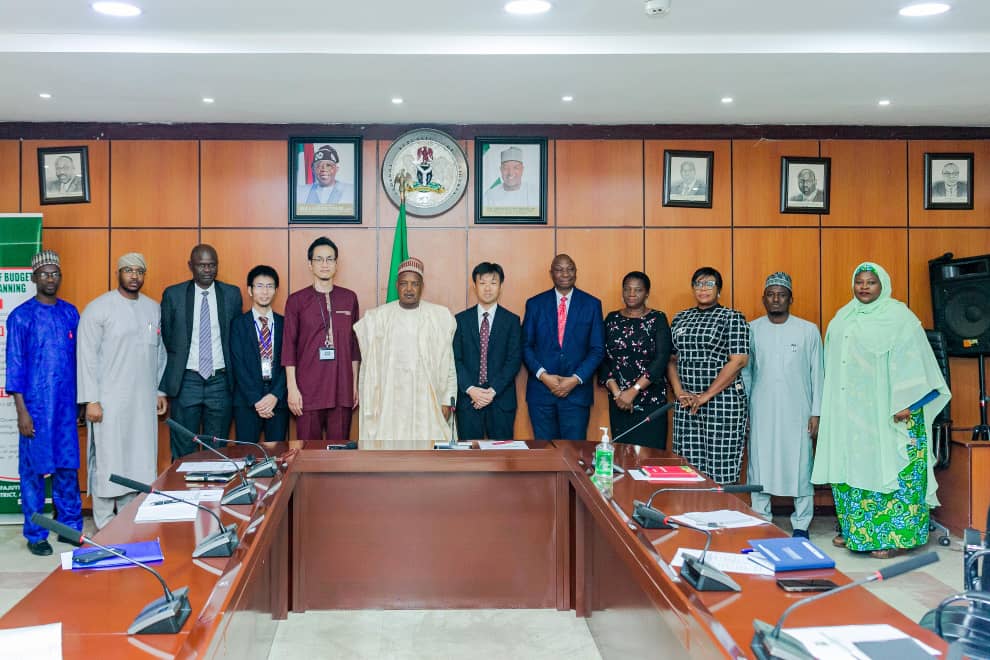
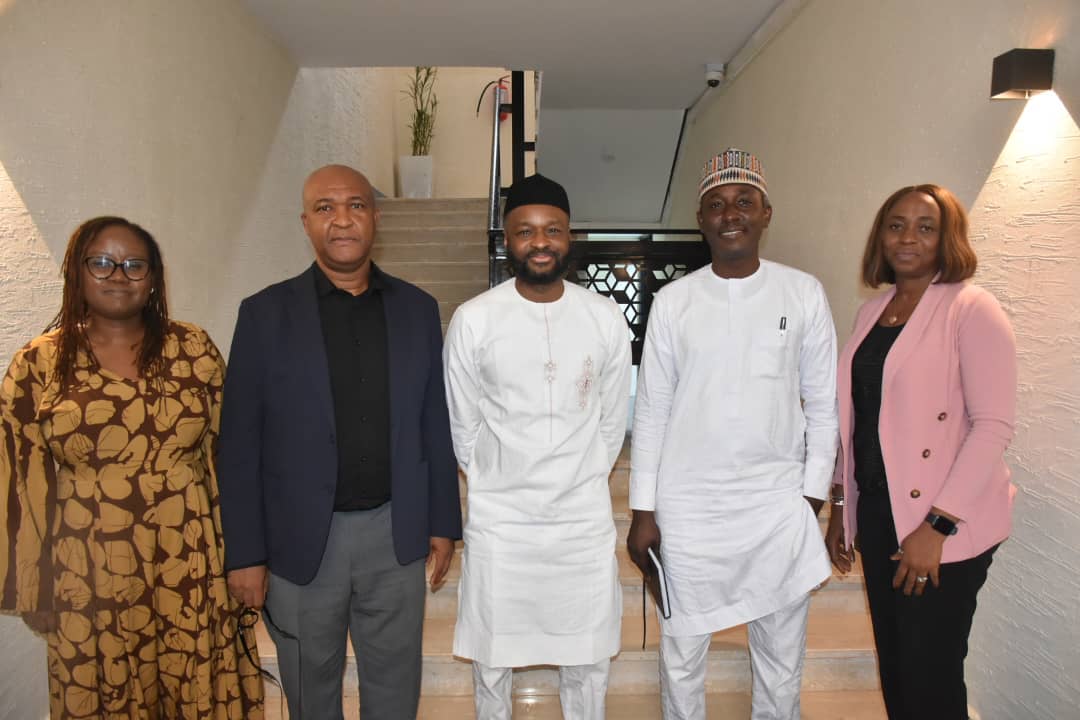
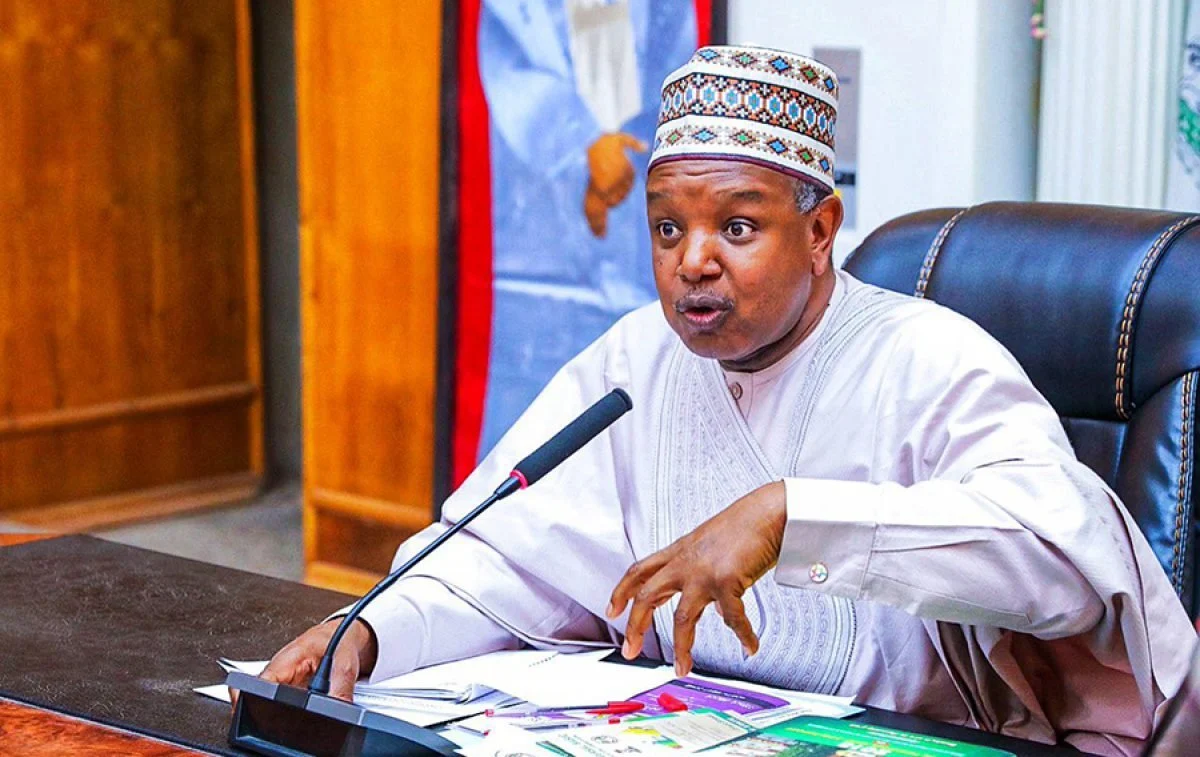
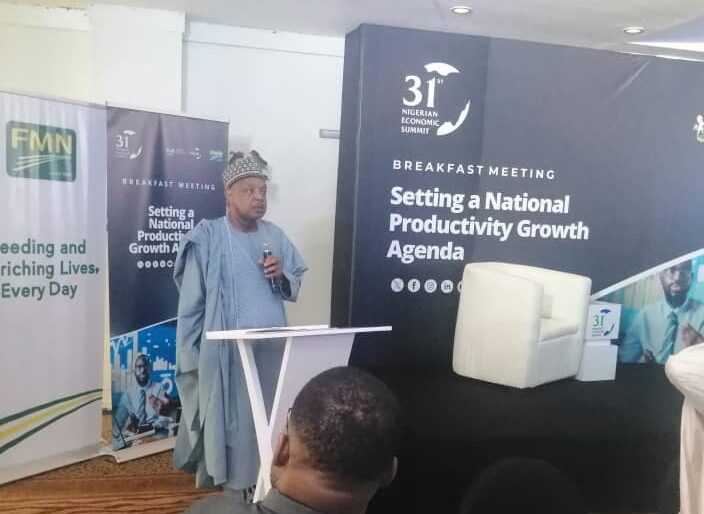
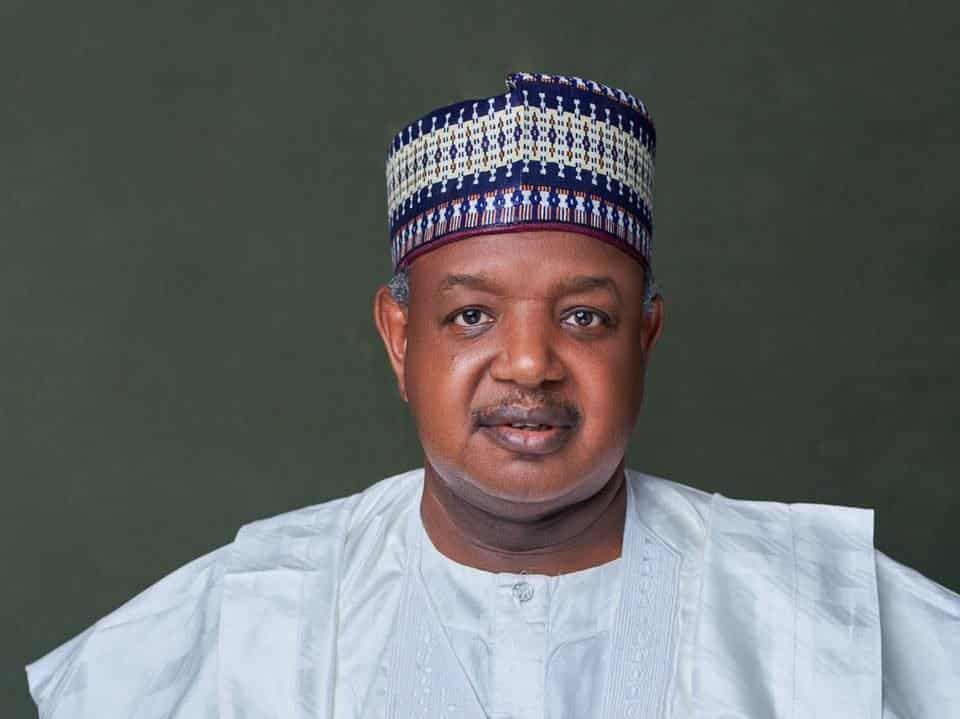
Speaking in Abuja during a stakeholders’ engagement with the Nigeria International Non-Governmental Organisation (INGO) Forum, the minister of Budget and Economic Planning, Senator Abubakar Atiku Bagudu, said the new budget cycle is anchored on the country’s ambition to build a $1 trillion economy.
He noted that the Medium-Term Expenditure Framework (MTEF) approved by the Federal Executive Council (FEC) outlines the assumptions and revenue expectations for the coming fiscal year.
Bagudu highlighted the Renewed Hope Ward Development Plan as a major plank of the 2026 spending framework. The initiative, jointly endorsed by President Bola Ahmed Tinubu and state governors, will deliver customised development programmes across all 8,809 political wards, with the goal of driving bottom-up economic growth and improving prosperity at the community level.
He added that the proposed Renewed Hope Infrastructure Fund will help sustain the momentum of ongoing macroeconomic reforms by ensuring continuous investment in critical infrastructure nationwide. According to him, state governors and the President have agreed that Nigeria must maintain a minimum level of infrastructure investment to support growth.
On security, the minister disclosed that the federal government has begun assessing training facilities for security agencies under a committee chaired by the Governor of Enugu State. An initial report, he said, estimates that about $100 billion will be required to upgrade training institutions, expand recruitment and reassign personnel currently deployed in non-operational functions.
Bagudu also noted that the federal government and the National Economic Council have approved new measures to curb revenue losses, especially in the crude oil, gas and solid minerals sectors. He revealed that illegal mining of gold and other precious stones remains a major concern, with efforts underway to block leakages and improve sector governance.
“Lastly, Mr President and the state governors agreed that we must embark on further measures to boost domestic production,” he said, stressing that the 2026–2030 national growth plan places strong emphasis on local capacity, innovation and improved coordination across all tiers of government.
The minister explained that the meeting with INGOs was part of ongoing efforts to deepen collaboration, review existing programmes and strengthen locally driven solutions as global funding tightens. He said INGOs play a crucial role in shaping public understanding of government reforms and providing insights from countries that have successfully implemented similar policies.
Director of the Nigeria INGO Forum, Camilla Higgins, warned that the shrinking pool of global aid poses new challenges for Nigeria, which remains heavily reliant on external humanitarian support despite rising needs. She noted that the 2025 Humanitarian Response Plan sought $910 million but has received only 24 per cent of the required funding.
Higgins said Nigeria is among countries being fast-tracked toward transition away from the international aid system, even though humanitarian pressures continue to deepen. She called for stronger national systems, expanded domestic funding and closer government–INGO collaboration.
“As resources shrink globally, needs in Nigeria continue to rise,” she said. “We must work with the government to build alternative structures capable of meeting the needs of vulnerable populations across the country.”