The Federal Government has said it will not initiate any new projects in the 2026 budget. It directed Ministries, Departments, and Agencies (MDAs) to rollover 70 per cent of their 2025 capital budget into the 2026 fiscal year.
This is contained in the 2026 Abridged Budget Call Circular by the Federal Ministry of Budget and Economic Planning, and circulated to all ministers, service chiefs, heads of agencies, and top government officials in Abuja.
The directive requires the government to focus spending on completing current projects while managing fiscal pressure caused by weak revenues.
The circular stated that the 2026 budget would not allow the introduction of new capital projects, as annual budget estimates must follow strict guidelines, and all officers responsible for budget preparation must comply.
It added that MDAs must fully utilise the allocations already approved in the 2025 budget before seeking new projects.
It further emphasised that the carryover is to focus on current needs and focus areas aligned with the administration’s development priorities.
According to the circular, “MDAs are to upload 70 per cent of their 2025 FGN Budget to continue in FY2026. All such rollover and uploads must be in line with the immediate needs of the country as well as government’s development priorities that aligns with the policy direction of the new administration, which hinges on National Security, the Economy, Education, Health, Agriculture, Infrastructure, Power & Energy, as well as social safety nets, women & youth empowerment. We are constrained by revenue challenges.”
The circular said the government had adopted a new framework that caps all 2026 capital budget ceilings at 70 per cent of 2025 project allocations. Only 30 per cent of this year’s capital budget will be released in 2025, while the remaining 70 per cent will form the foundation for next year’s capital spending. To ensure continuity for ongoing projects, eliminate wasteful duplication, and prevent uncompleted projects from being abandoned, the circular warned MDAs against exceeding their 2025 overhead ceilings in their 2026 submissions, despite inflationary pressures.
“MDAs are required to work within and not exceed their 2025 overhead ceilings (Executive Proposal) for the purpose of preparing their 2026 overhead budget submissions. While we note the impact of inflation on overhead costs, we are, however, constrained by revenue challenges in providing significantly more for overheads. We will, however, sustain the effort to achieve full release of the overhead budget,” the circular explained.
The circular stipulated that budget estimates must consider the policies and strategies outlined in the 2026 to 2028 Medium-Term Expenditure Framework and Fiscal Strategy Paper (MTEF/FSP)
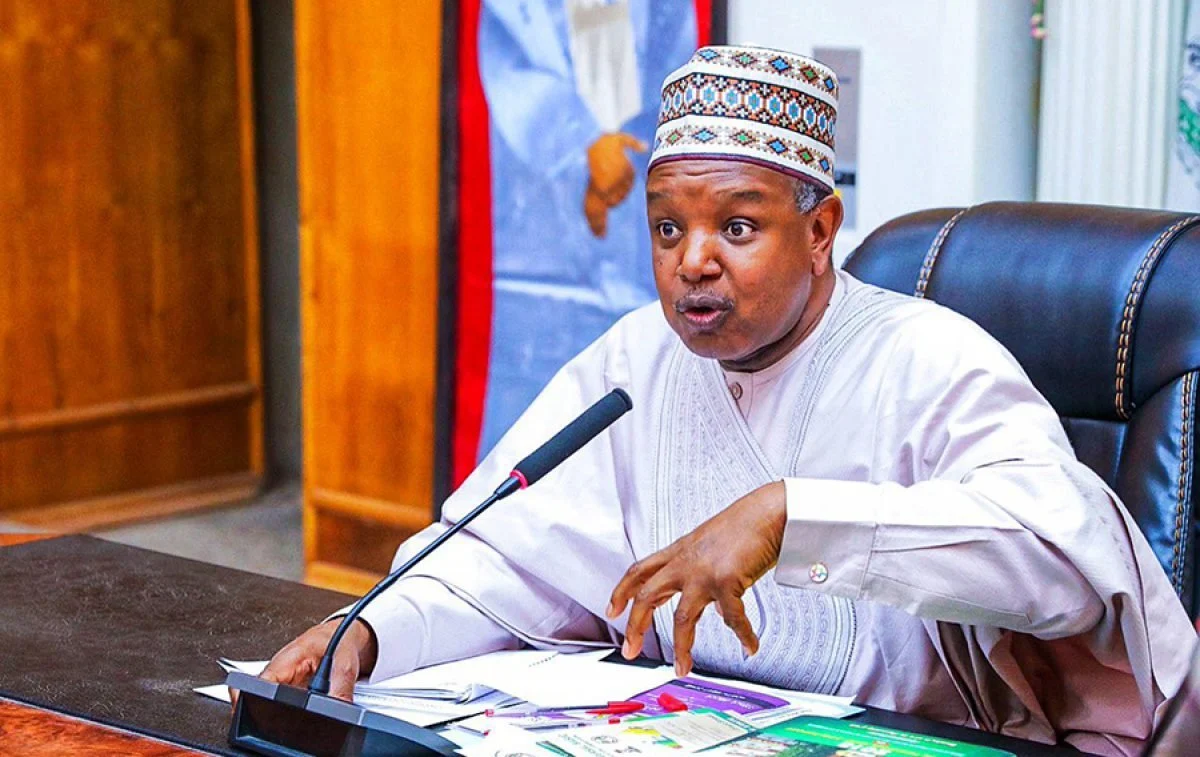
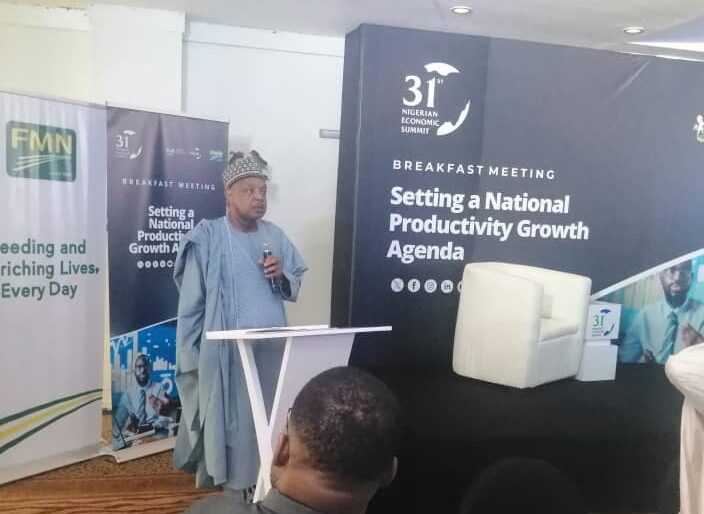
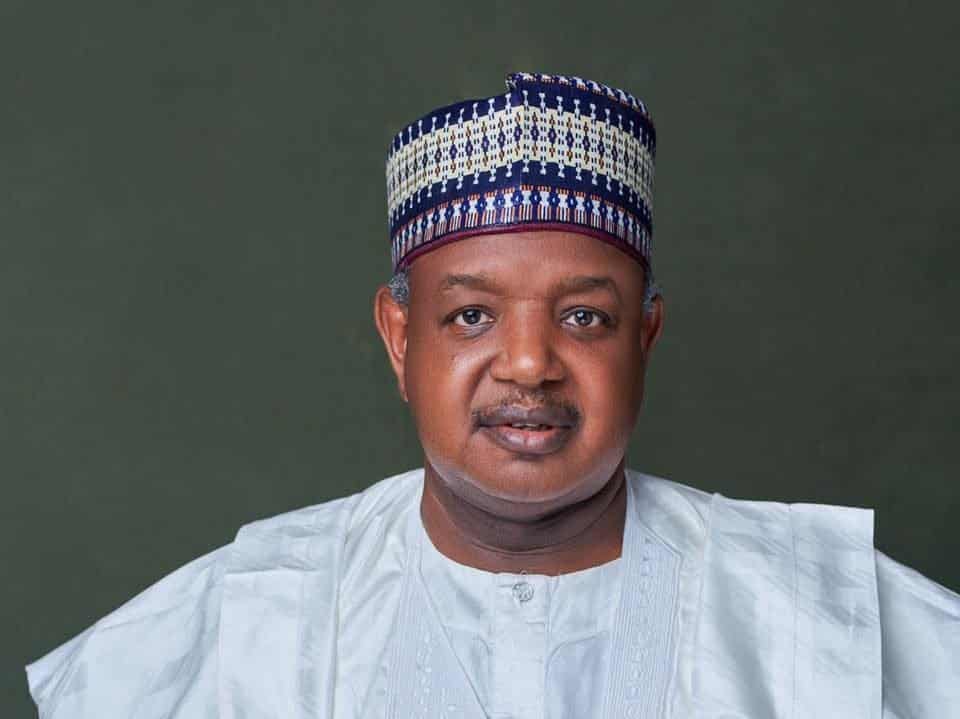
The Minister of Budget and Economic Planning, Senator Abubakar Bagudu, explained that the MTEF approved by the Federal Executive Council (FEC) last week sets out the assumptions for the 2026 fiscal year, including revenue projections, production targets and the new strategy to drive growth at community level.
He said the 2026 budget would focus on key areas that support productivity amid global funding cuts.
He outlined the Renewed Hope Agenda, the Renewed Hope Infrastructure Development Plan, the Ward Development Plan, the National Development Plan, and other programmes as pivot points that would drive the economy. The circular said all expenditure would be properly scrutinised to ensure only essential spending was approved, ensuring value for moneyIt reaffirmed government’s commitment to improving the efficiency and quality of spending to strengthen budget formulation, implementation, monitoring, and evaluation.
It noted that MDAs must submit their budgets through the GIFMIS Budget Preparation Subsystem, while government-owned enterprises will submit via the Budget Information Management and Monitoring System. All submissions must be completed by Tuesday, December 9, 2025.
“Personnel costs have already been computed using data from IPPIS and earlier submissions,” the circular noted, adding that each ministry will be informed of its personnel cost ceiling for 2026.
Eze Onyekpere, a fiscal governance expert, stated in an earlier report by The Guardian that running two or three budgets concurrently is a very poor strategy, leading to resource mismanagement, project failure, and a lack of value for money.
He had suggested that, to normalise the budget year from 2026, the unimplemented capital budget for 2025 should serve as the foundation for the 2026 budget.
H said, “Assuming the fiscal space for capital projects is N20 trillion and the unimplemented part of 2025 is N12 trillion, MDAs should only be asked to prepare N8 trillion new projects to complete the N20 trillion.
He noted that there is no need to draw up a new list of projects when the old ones, which are still relevant, have not been implemented.